You can master your body’s stress response simply by changing how you breathe, lowering your heart rate and clearing mental fog in minutes. Picture sitting at your desk while emails pile up and deadlines loom; your chest tightens, and panic creeps in. Instead of spiraling, you pause and shift your breath, instantly signaling safety to your nervous system. These seven science-backed breathing techniques offer immediate, realistic anxiety relief for your hectic daily life. By relying on simple, focused respiration, you bypass complex meditation routines and access profound calm anywhere, whether you are stuck in rush hour traffic, preparing for a high-stakes meeting, or trying to unwind after a chaotic day.
Understanding Mindfulness Through the Lens of the Breath
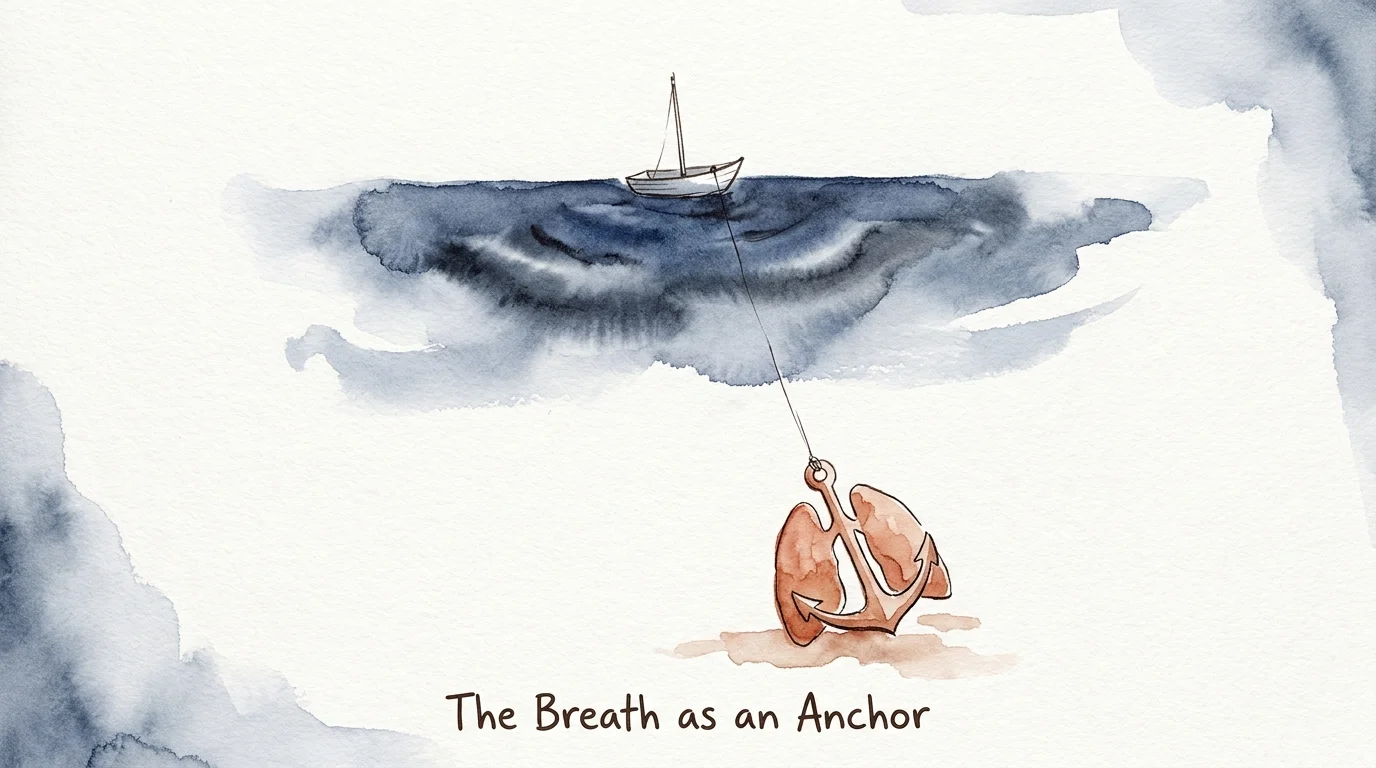
Mindfulness often carries the heavy baggage of misconception. You might picture a serene monk sitting motionless for hours, entirely free from worldly distractions. In reality, modern mindfulness requires a much more grounded, practical approach. It simply means anchoring your attention in the present moment, acknowledging your thoughts without letting them hijack your emotional state. Your breath serves as the perfect, always-accessible anchor for this practice.
When anxiety strikes, your breathing naturally becomes shallow and erratic. This chest-level breathing signals to your brain that you face imminent danger, perpetuating a vicious cycle of panic and physical tension. By intentionally altering this pattern, you directly intervene in your body’s alarm system. You do not need to empty your mind of all thoughts to find relief. You simply need to redirect your focus to the physical sensation of air entering and leaving your lungs.
This subtle shift empowers you to reclaim control over your nervous system. Rather than fighting the anxious thoughts directly—which often amplifies them—you provide your body with biological evidence that you are safe. Mastering your breath bridges the gap between chaotic mental activity and physical tranquility, giving you a reliable tool to navigate modern stressors.
The Science Snapshot: How Breathwork Rewires Your Brain
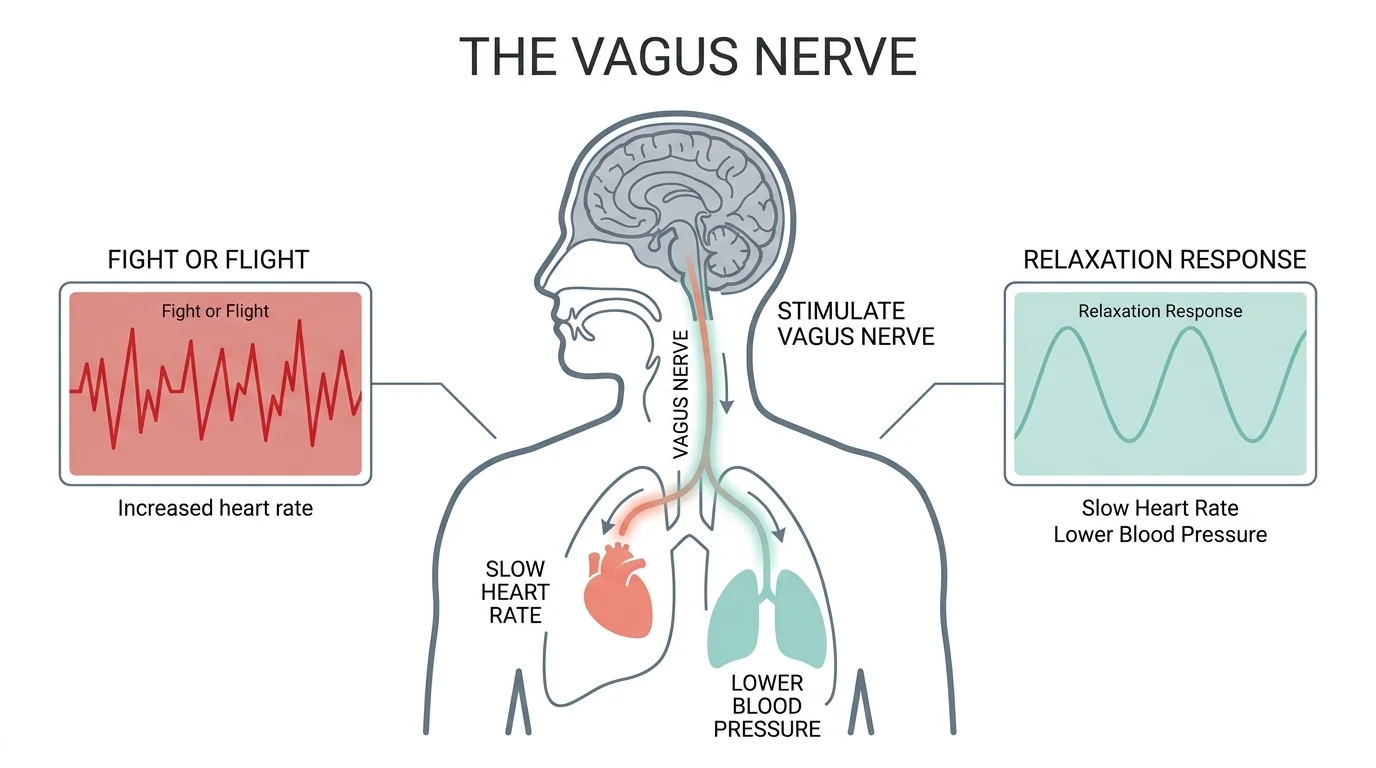
Deep, intentional breathing does far more than provide a psychological distraction; it initiates a cascade of profound physiological changes. When you lengthen your exhalations, you stimulate the vagus nerve, the primary component of your parasympathetic nervous system. This activation directly counteracts the fight-or-flight response, slowing your heart rate and reducing your blood pressure almost immediately.
Robust scientific literature validates these biological mechanisms. For instance, a report from Harvard Health highlights how breath focus elicits the relaxation response, effectively dampening the production of stress hormones. When you practice deep breathing, your body metabolizes adrenaline and cortisol more efficiently, allowing your physiological state to return to a baseline of calm.
Furthermore, research published by the National Institutes of Health demonstrates that consistent diaphragmatic breathing improves sustained attention and lowers subjective feelings of negative affect. These biological shifts promote emotional resilience over time. Additional findings from the American Psychological Association confirm that mindful breathing interventions significantly reduce acute anxiety symptoms, proving that you possess an extraordinary internal mechanism for self-regulation.
The Daily Integration Framework: Pause, Observe, Respond
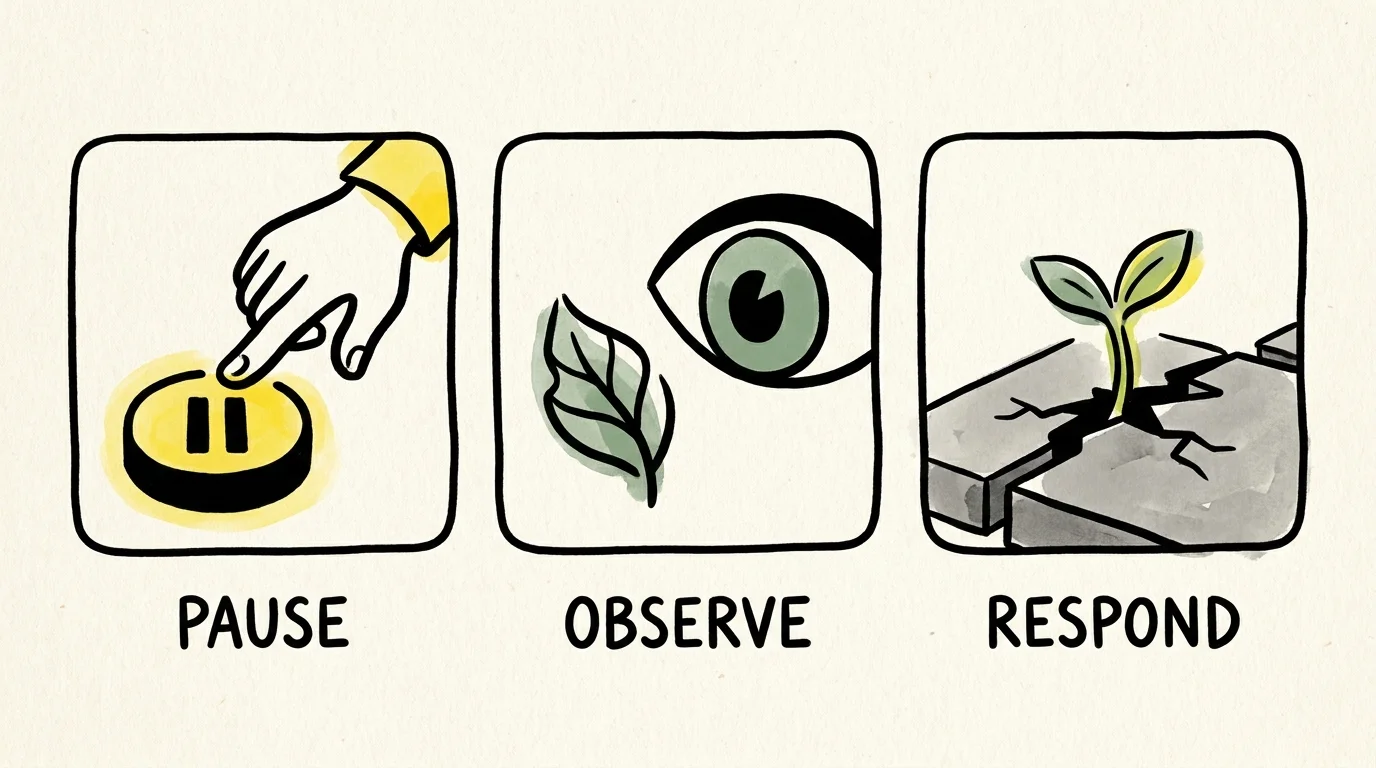
Knowing how to breathe deeply matters little if you forget to employ the tool during moments of high stress. To make breathwork a reliable habit, you need a simple, actionable framework. The Pause, Observe, Respond method offers a frictionless way to integrate mindfulness into your busiest days. You can memorize this three-step process easily and apply it in any environment.
First, you must pause. When you feel the familiar physical cues of anxiety—a clenched jaw, a racing heart, or a fluttering stomach—stop your current activity for just ten seconds. Step away from the keyboard, put down your phone, or simply close your eyes if you are sitting on the train. This brief intermission interrupts the momentum of your stress response.
Next, you observe your current physical and mental state without judgment. Notice the shallow nature of your breathing and the tension in your shoulders. Finally, you respond by choosing one of the seven breathing techniques outlined below. For example, if you face a tense negotiation at work, you might choose a subtle technique you can perform undetected. If you struggle to fall asleep at home, you can opt for a deeply restorative practice.
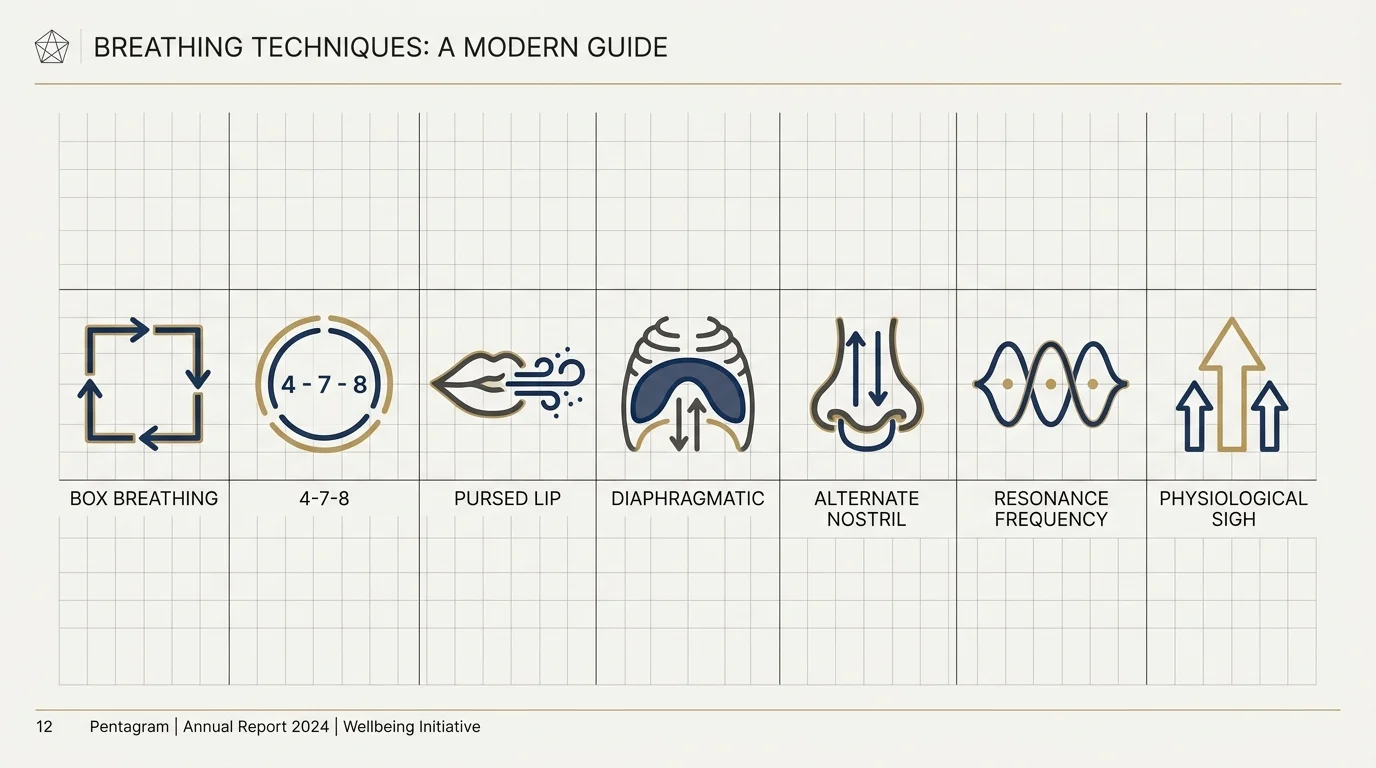
7 Breathing Techniques That Help Calm Anxiety Fast
1. Box Breathing for Immediate Focus
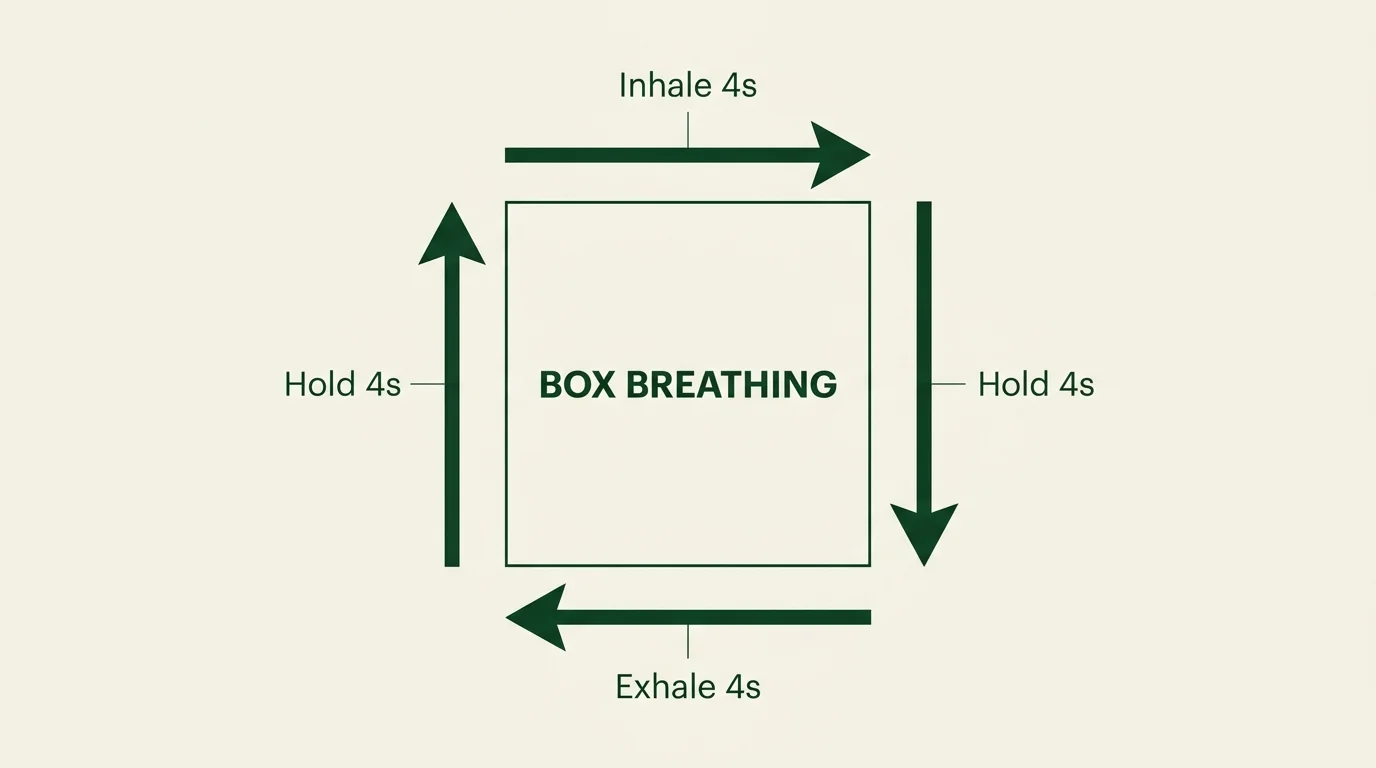
Box breathing, also known as four-square breathing, provides a highly structured method for regaining mental clarity. Elite athletes, first responders, and military personnel frequently use this technique to steady their nerves in high-stakes environments. The equal duration of inhaling, holding, and exhaling forces your mind to synchronize with your body, leaving no room for anxious rumination.
To practice box breathing, begin by exhaling completely through your mouth. Close your lips and inhale silently through your nose while counting slowly to four. Hold your breath for another count of four, keeping your body relaxed rather than rigid. Exhale completely through your mouth for four seconds, and then hold your lungs empty for a final count of four. Repeat this cycle four to five times.
This technique works wonders during the workday. If you find yourself overwhelmed by an intimidating project or feeling paralyzed before a public speaking engagement, practice box breathing for two minutes. The counting mechanism occupies your working memory, while the breath pacing dramatically stabilizes your heart rate.
2. The 4-7-8 Technique for Deep Relaxation
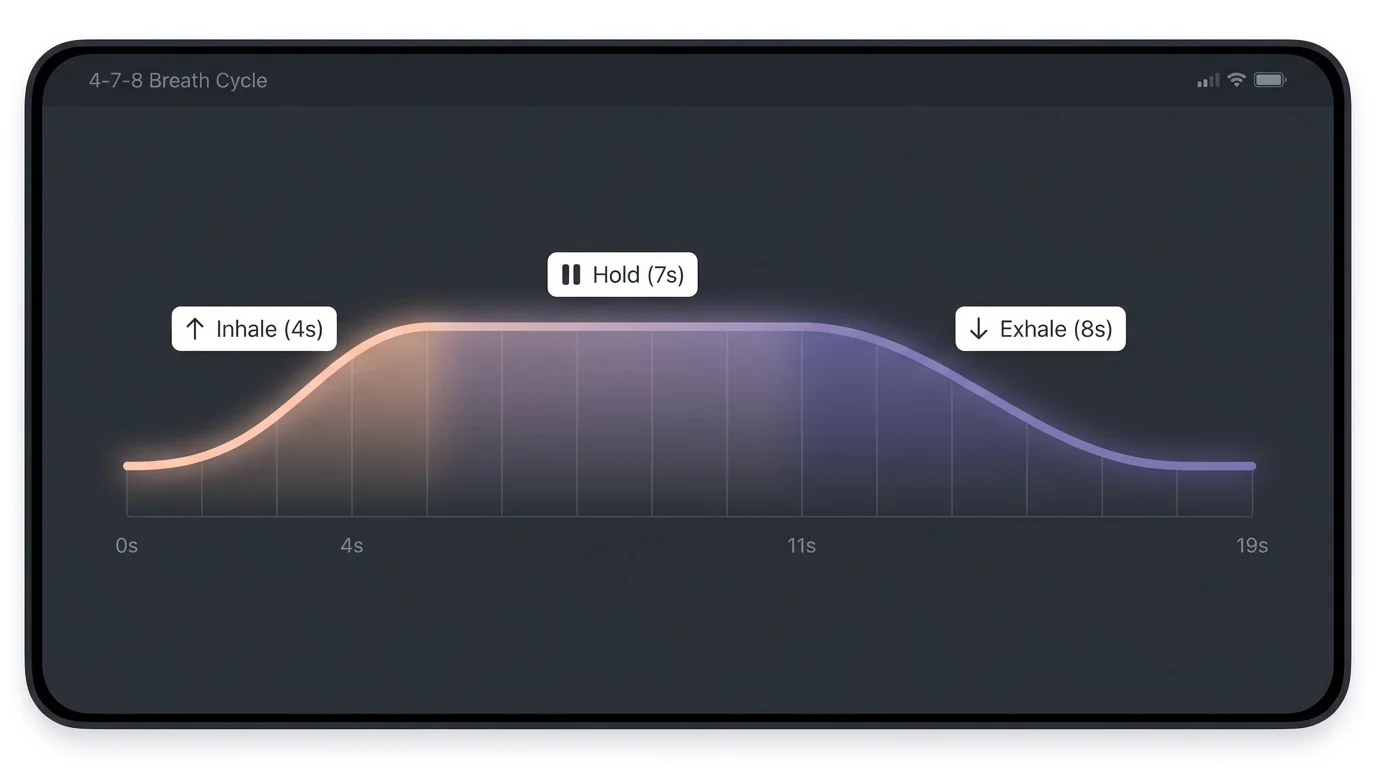
Developed as a natural tranquilizer for the nervous system, the 4-7-8 method excels at combating intense anxiety and insomnia. By forcing a much longer exhalation than inhalation, you send an unmistakable signal of safety to your brain. This technique effectively clears lingering carbon dioxide from the bottom of your lungs, refreshing your entire respiratory system.
Sit comfortably with your back straight. Place the tip of your tongue against the ridge of tissue just behind your upper front teeth and keep it there throughout the exercise. Inhale quietly through your nose for four seconds. Hold your breath for seven seconds. Finally, exhale completely through your mouth, making a whoosh sound, for eight seconds. Complete four full breath cycles.
You will find this practice incredibly useful when trying to unwind at night. If intrusive thoughts keep you awake, the 4-7-8 technique acts as a mental reset button. The extended breath retention requires focus, smoothly transitioning your brainwaves from an active, alert state into a relaxed, drowsy rhythm.
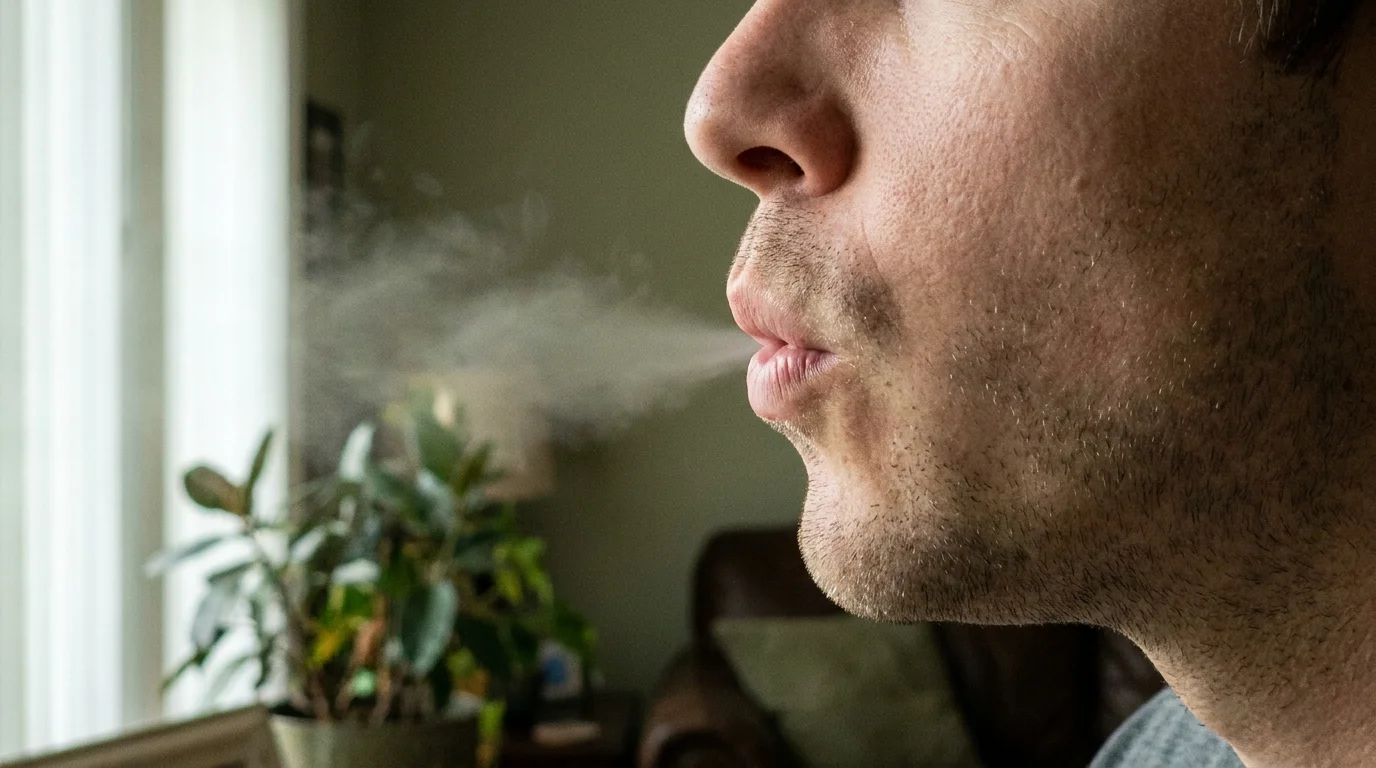
3. Pursed Lip Breathing to Slow Your Heart Rate
When panic sets in rapidly, you often experience shortness of breath, which only accelerates your anxiety. Pursed lip breathing offers a simple, mechanical way to slow your breathing pace and keep your airways open longer. This technique requires zero preparation and delivers immediate, tangible relief during sudden stress spikes.
Relax your neck and shoulder muscles intentionally. Inhale slowly through your nose for two seconds, keeping your mouth closed. Pucker your lips tightly, as if you are about to whistle or blow out a candle. Exhale slowly and steadily through your pursed lips for four to six seconds. Make sure your exhale lasts at least twice as long as your inhale.
Use this method when you feel an acute wave of panic approaching, such as while sitting in gridlocked traffic or standing in a crowded grocery store line. The physical act of pursing your lips creates gentle resistance, forcing you to release air gradually and preventing the hyperventilation that often accompanies severe anxiety.
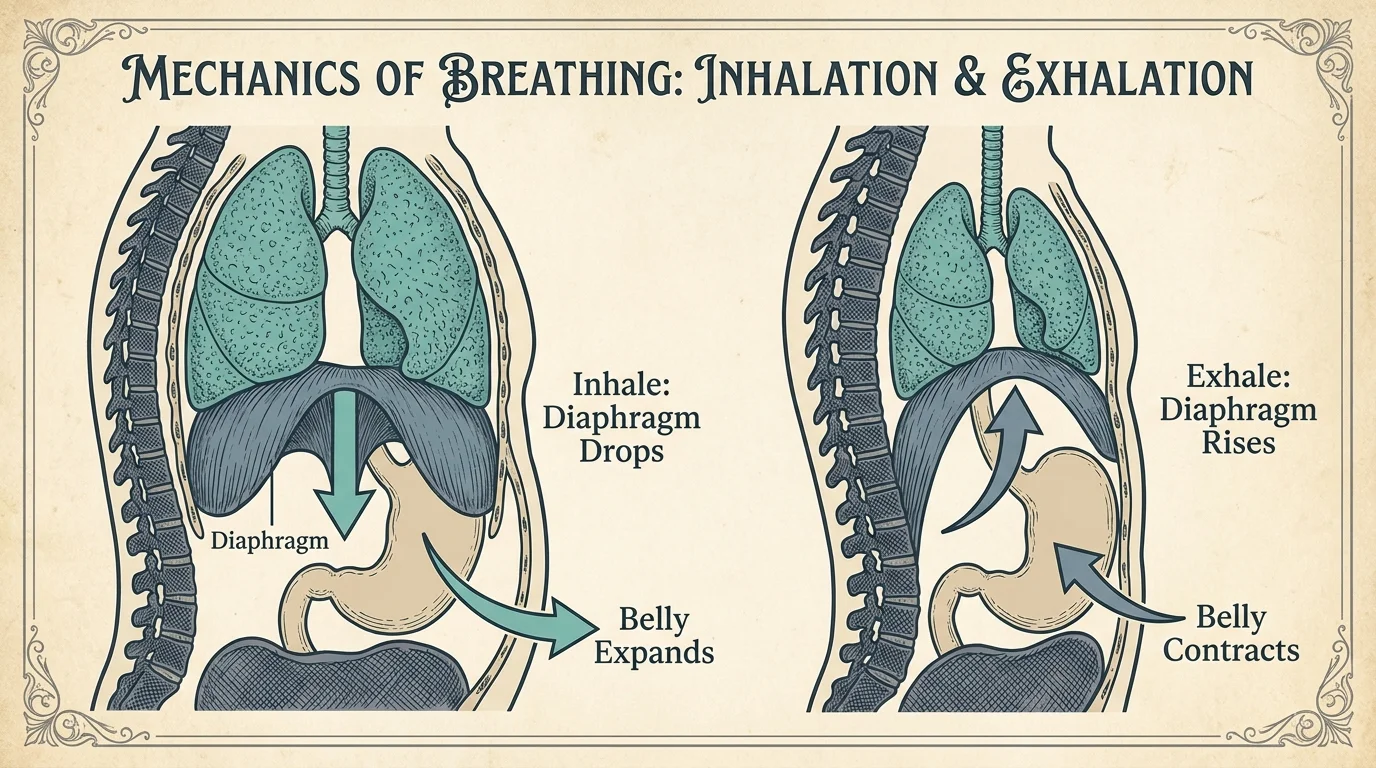
4. Diaphragmatic Breathing for Core Stabilization
Most adults chronically breathe into their upper chests, utilizing only a fraction of their lung capacity. Diaphragmatic breathing, often called belly breathing, retrains your body to use the large, dome-shaped muscle located at the base of your lungs. This foundational technique maximizes oxygen exchange and provides a continuous massage to your internal organs.
Lie on your back or sit quietly in a comfortable chair. Place one hand flat on your upper chest and the other on your abdomen, just below your rib cage. Inhale slowly through your nose so that your stomach moves out against your hand. The hand on your chest should remain as still as possible. Tighten your stomach muscles and let them fall inward as you exhale through pursed lips.
Practicing diaphragmatic breathing for just five minutes a day fundamentally alters your default breathing pattern. It serves as an excellent foundational practice during your morning routine or right before eating a meal. By shifting the workload away from your neck and chest muscles, you physically dismantle the posture of chronic stress.
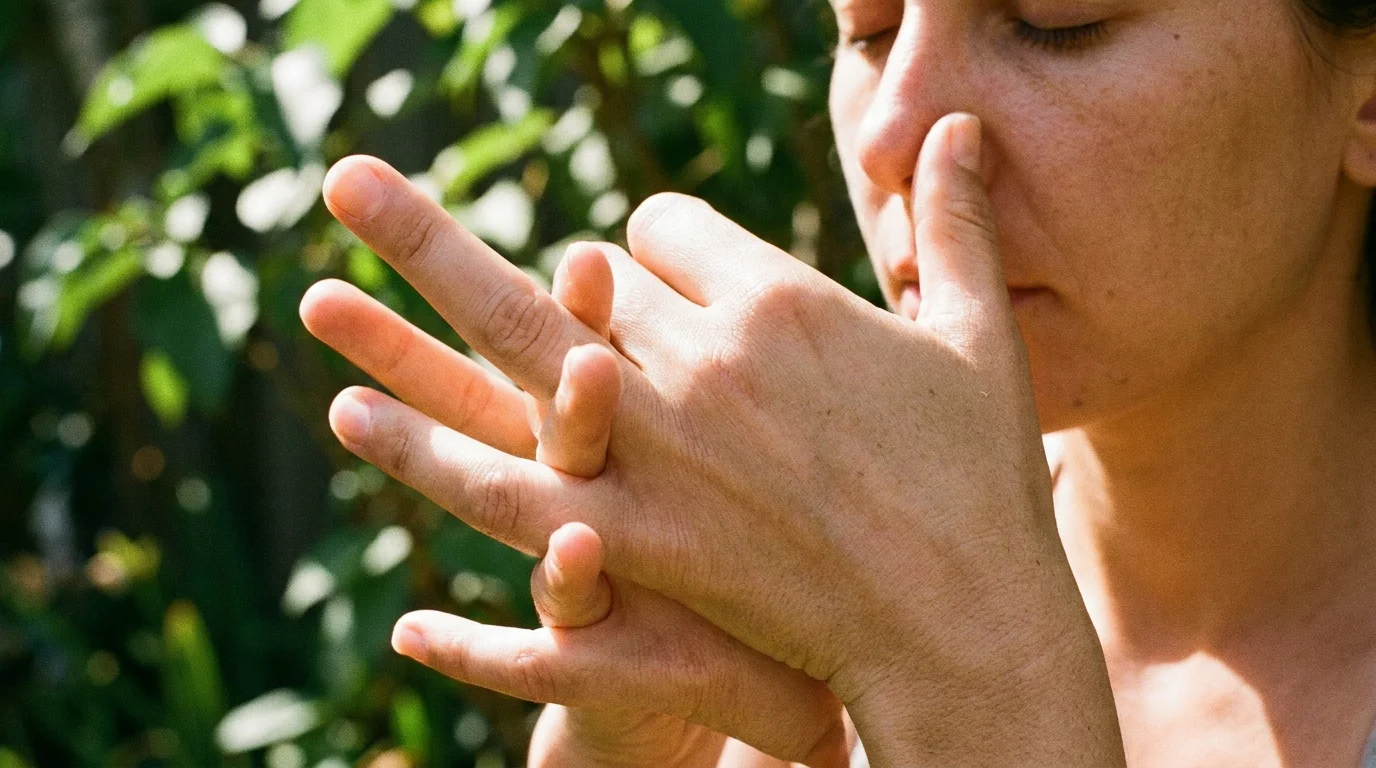
5. Alternate Nostril Breathing to Balance the Mind
Alternate nostril breathing offers a unique way to harmonize the left and right hemispheres of your brain. Rooted in traditional yogic practices, this technique lowers cardiovascular stress markers and significantly improves respiratory endurance. It demands focused physical coordination, which powerfully distracts your mind from anxious loops.
Take a comfortable seated position. Use your right thumb to gently close your right nostril. Inhale slowly and smoothly through your left nostril. At the peak of your inhalation, close your left nostril with your ring finger, release your thumb from the right nostril, and exhale smoothly through the right side. Inhale through the right nostril, switch fingers to close it, and exhale through the left. This completes one cycle.
You can leverage alternate nostril breathing during afternoon slumps when anxiety mixes with mental fatigue. It clears the mind, sharpens your focus, and leaves you feeling surprisingly refreshed. Because it requires the use of your hands, it works best in private settings like your office with the door closed or your parked car before heading into a stressful event.
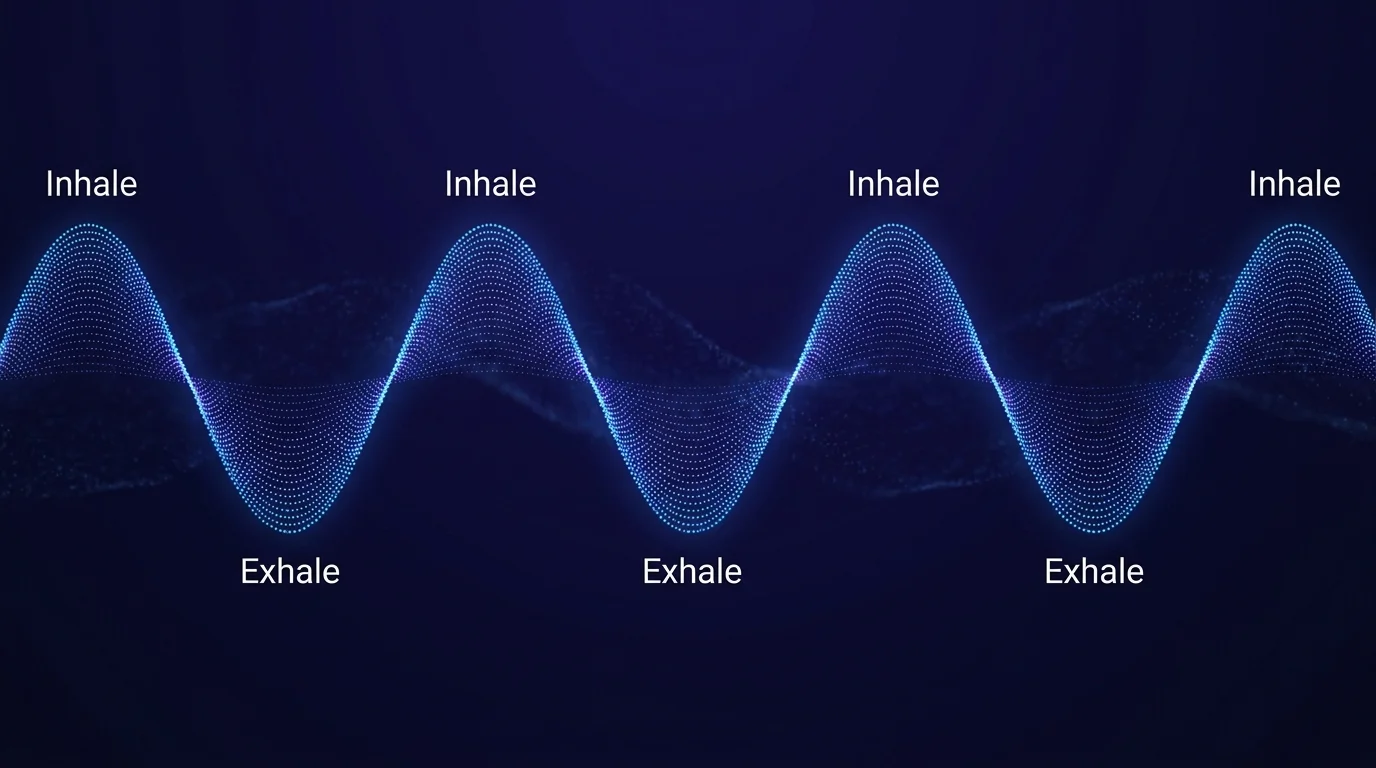
6. Resonance Frequency Breathing for Nervous System Harmony
Resonance frequency breathing maximizes your heart rate variability (HRV), a key biomarker of physical and emotional resilience. This technique involves breathing at a precise, rhythmic pace—typically between five and six full breaths per minute. When you hit this sweet spot, your cardiovascular and respiratory systems synchronize completely, creating a state of deep physiological harmony.
You do not need specialized equipment to practice this, though pacing apps can help. Simply inhale gently through your nose for about five seconds, and then exhale effortlessly through your nose or mouth for another five seconds. Maintain a continuous, fluid rhythm without holding your breath at the top or bottom of the cycle. Aim for a smooth, wavelike motion.
Integrate resonance frequency breathing into your daily transitions. Try practicing it for ten minutes while commuting on the train or during a midday walk. By consistently training your body to operate at this optimal frequency, you build a robust biological buffer against sudden stressors, ensuring you remain grounded even when chaos erupts around you.
7. The Physiological Sigh to Offload Stress
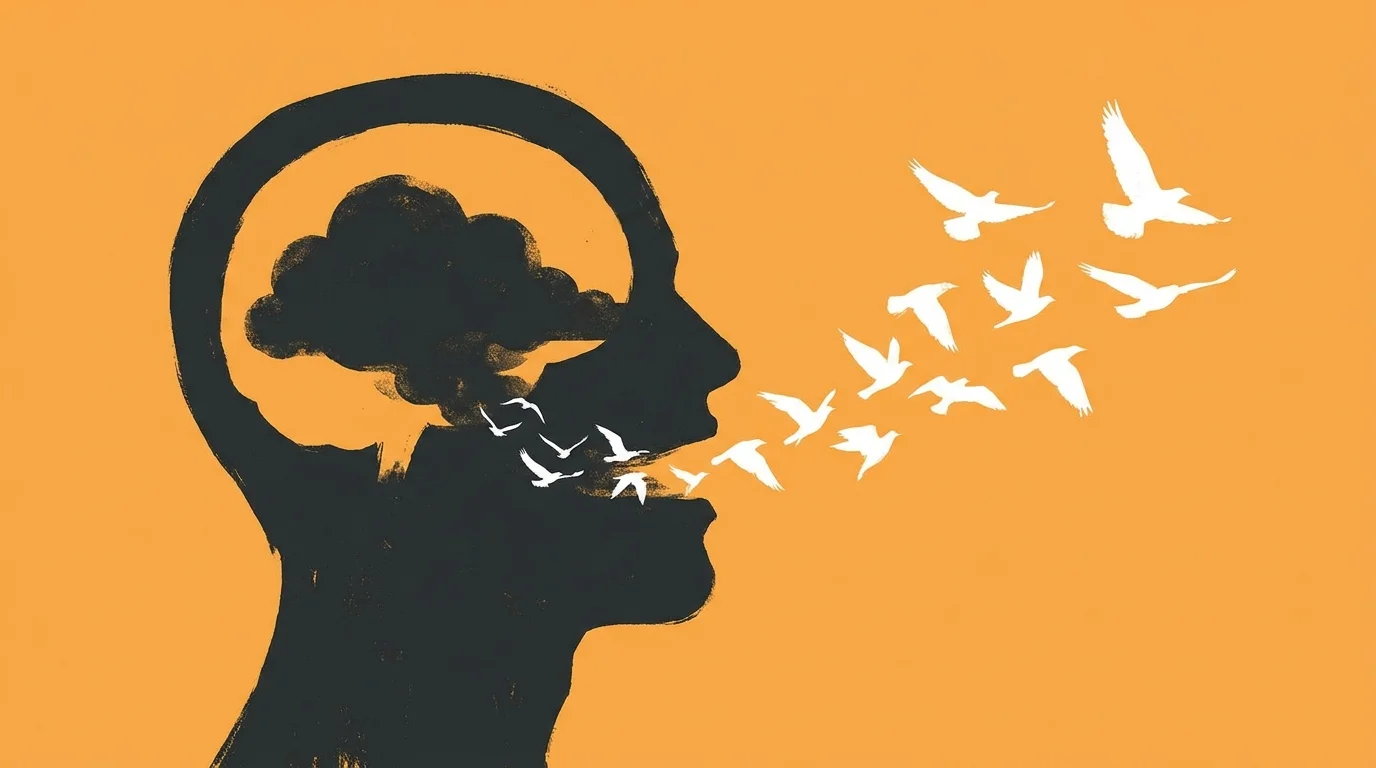
The physiological sigh rapidly offloads accumulated carbon dioxide and re-inflates collapsed air sacs in your lungs. You naturally perform this breathing pattern during deep sleep or after a bout of crying. By executing it voluntarily, you exploit a hardwired biological mechanism to instantly down-regulate your central nervous system.
To perform the physiological sigh, take a deep inhale through your nose. Before you exhale, take a second, shorter sip of air through your nose to completely fill your lungs. Finally, execute a long, extended exhale through your mouth until your lungs feel completely empty. Repeat this sequence just two or three times.
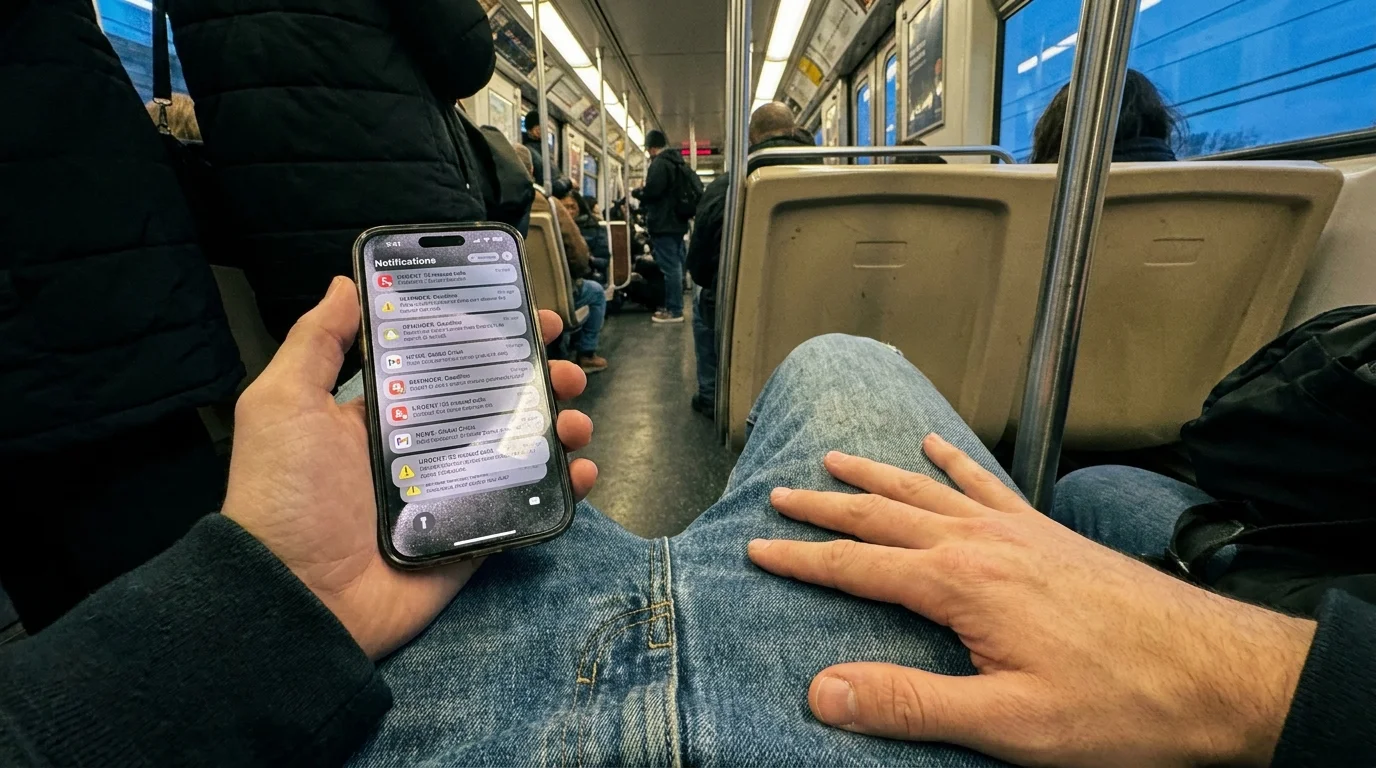
This technique stands out as the ultimate “emergency brake” for anxiety. When you feel a sudden surge of frustration during a heated argument, or when your heart jumps after reading an alarming text message, deploy the physiological sigh immediately. It requires only seconds to perform and delivers a profound, measurable drop in physiological arousal.
Overcoming Common Obstacles to Breathwork
You will inevitably encounter friction when trying to build a new mindfulness habit. The most common barrier is the perception of not having enough time. You might feel too busy to pause, believing that powering through your stress remains the only option. However, effective breathwork does not demand a massive time investment. You can perform a physiological sigh in ten seconds or practice box breathing while waiting for your computer to reboot.
Another frequent obstacle involves the wandering mind. When you attempt to focus on your breathing, your brain will undoubtedly generate distracting thoughts about your grocery list or an upcoming deadline. Do not interpret this as a failure. The practice of mindfulness lies entirely in noticing the distraction and gently returning your attention to the breath. You build mental resilience every time you redirect your focus.
Finally, you might battle skepticism, feeling silly or doubtful that something as simple as breathing can resolve complex anxiety. Address this by treating your breathwork as a biological experiment rather than a mystical practice. Track your heart rate on your smartwatch before and after a five-minute session of diaphragmatic breathing. The concrete data will validate your efforts and reinforce your commitment.

The Long-Term Benefits of Consistent Practice
Integrating these breathing techniques into your daily life yields benefits far beyond immediate anxiety relief. Consistent breathwork literally reshapes your brain through neuroplasticity. Over time, your amygdala—the brain’s fear center—becomes less reactive to minor daily annoyances. You stop viewing spilled coffee or minor traffic jams as catastrophic events.
Furthermore, regular practice enhances your emotional regulation capabilities. You create a permanent buffer between a stressful stimulus and your reaction. This pause allows you to respond to challenges with clarity and intention rather than snapping at your loved ones or making impulsive decisions at work. You transition from a reactive state of survival to a proactive state of calm authority.
Frequently Asked Questions About Breathing for Anxiety
How long does it take for breathing exercises to work?
You can experience physiological shifts within seconds. Techniques like the physiological sigh immediately reduce your heart rate and lower blood pressure. For more persistent anxiety, engaging in a structured practice like box breathing for three to five minutes will significantly alter your stress response and restore mental clarity.
Can I do these exercises while working?
Absolutely. You can seamlessly integrate techniques like pursed lip breathing, box breathing, and diaphragmatic breathing into your workday. No one around you will notice that you are actively regulating your nervous system while drafting an email or sitting quietly in a long conference room meeting.
What if focusing on my breath makes me more anxious?
Hyper-focusing on your breathing can occasionally trigger performance anxiety, making you feel like you are not doing it “right.” If this happens, shift your attention slightly. Instead of focusing on the air in your lungs, focus on the physical sensation of your feet touching the floor or the sounds in the room, then gently return to a simple, unforced breathing rhythm.
How many times a day should I practice?
Aim for small, frequent interventions rather than one long, grueling session. Practicing a technique for two minutes, three to four times a day, builds excellent mental muscle memory. You should practice these exercises during calm moments as well, which makes them much easier to deploy when severe anxiety inevitably strikes.
Do I need a quiet room to see results?
While a quiet environment minimizes distractions for beginners, it is entirely unnecessary for success. The true power of these techniques lies in their portability. You can effectively calm your nervous system in a bustling airport terminal, a loud office space, or the middle of a chaotic family gathering simply by turning your attention inward.
Sustaining Your Calm In a Chaotic World
You possess a remarkable, built-in mechanism for managing stress that travels with you everywhere. By practicing these seven breathing techniques, you stop being a passive victim to your body’s anxiety responses. You do not need to eliminate the chaos of modern life to find peace; you simply need to change how you engage with it.
Take ownership of your physical and emotional wellbeing starting today. Choose one technique—perhaps the physiological sigh or box breathing—and commit to trying it the next time you feel overwhelmed. Let your breath become your most trusted ally. Remind yourself daily: you control your breath, and therefore, you control your peace.