Mindfulness changes your brain structure, reshaping areas linked to focus, stress, and emotional regulation in ways you can feel daily. Imagine finishing a chaotic workday where your inbox never stopped pinging and deadlines piled up, yet you walk away feeling anchored and clear-headed rather than drained. You do not need to retreat to a silent mountaintop to experience this cognitive shift. By dedicating just a few moments to deliberate awareness, you physically alter the neural pathways governing your reactions. Science reveals that consistent practice builds resilience at a cellular level, equipping you to handle modern life with sustained calm. This fundamental rewiring transforms overwhelming stress into manageable data, giving you the mental leverage to navigate your day smoothly.

What Mindfulness Means in Your Everyday Life
Mindfulness often conjures imagery of monks sitting perfectly still in silent meditation, entirely detached from the chaos of the modern world. However, practical mindfulness looks completely different for the busy professional or overwhelmed parent. It is the simple, intentional practice of anchoring your attention to the present moment without judging the experience as good or bad. You simply notice what is happening while it happens, stripped of narrative or emotional baggage.
Many people mistakenly believe that mindfulness requires you to empty your mind of all thoughts. In reality, the human brain constantly generates thoughts; fighting this biological process only creates more frustration. The true goal involves observing those thoughts without getting swept away by them. You train your attention to stay focused on your current task, whether you are drafting a difficult email, listening intently to your child, or simply eating your lunch away from a screen.
By stripping away the mystical misconceptions, you uncover a highly practical mental workout. You learn to recognize when your mind wanders into anxious predictions about the future or looping regrets regarding the past. Gently guiding your focus back to the present moment forms the core repetition of this exercise. This simple act of noticing and returning builds profound neurological strength over time, turning an abstract concept into a daily survival tool.
The Science Snapshot: Validating the Practice
The scientific community once viewed the adult brain as a static organ, entirely incapable of generating new cells or altering its physical structure after adolescence. Researchers now understand that the brain possesses neuroplasticity—the remarkable ability to reorganize itself by forming new neural connections throughout your entire lifespan. Mindfulness acts as a highly effective catalyst for this structural evolution, allowing you to intentionally sculpt your cognitive hardware.
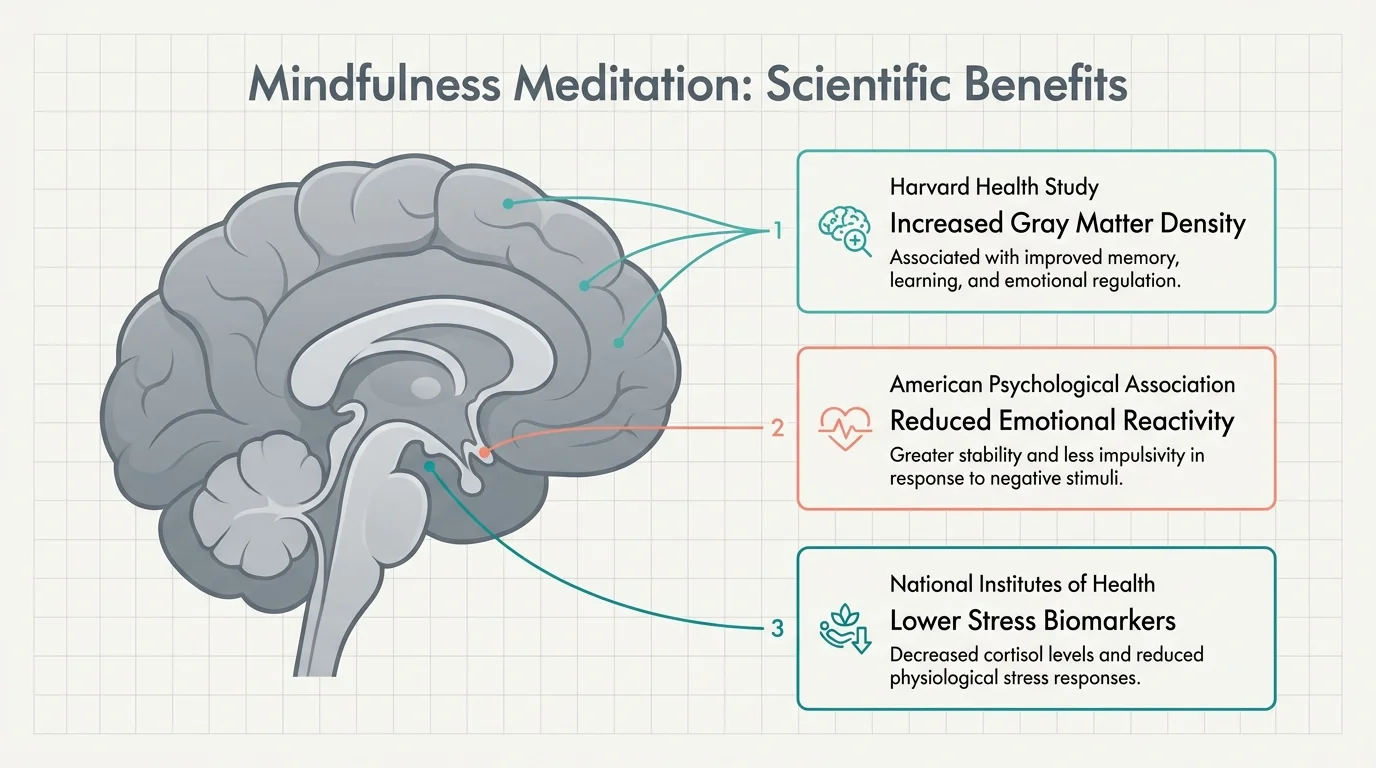
When you look at a study from Harvard Health, you quickly see how regular meditation physically changes the brain’s gray matter. Neuroscientists utilize functional magnetic resonance imaging to track these physical shifts, revealing measurable growth in areas responsible for learning, empathy, and emotional regulation. You do not just feel temporarily better after a meditation session; you actively reconstruct the physical tissues of your brain to handle future stress more efficiently.
Further supporting these physical changes, research published by the American Psychological Association demonstrates that short, daily mindfulness interventions effectively reduce emotional reactivity and drastically improve cognitive flexibility. Similarly, clinical data from the National Institutes of Health highlights the practice as a proven, biological method for mitigating the physiological markers of chronic stress. This compelling body of scientific evidence confirms that mindful awareness creates tangible, lasting changes in human biology.
8 Ways Mindfulness Is Scientifically Proven to Change Your Brain Structure

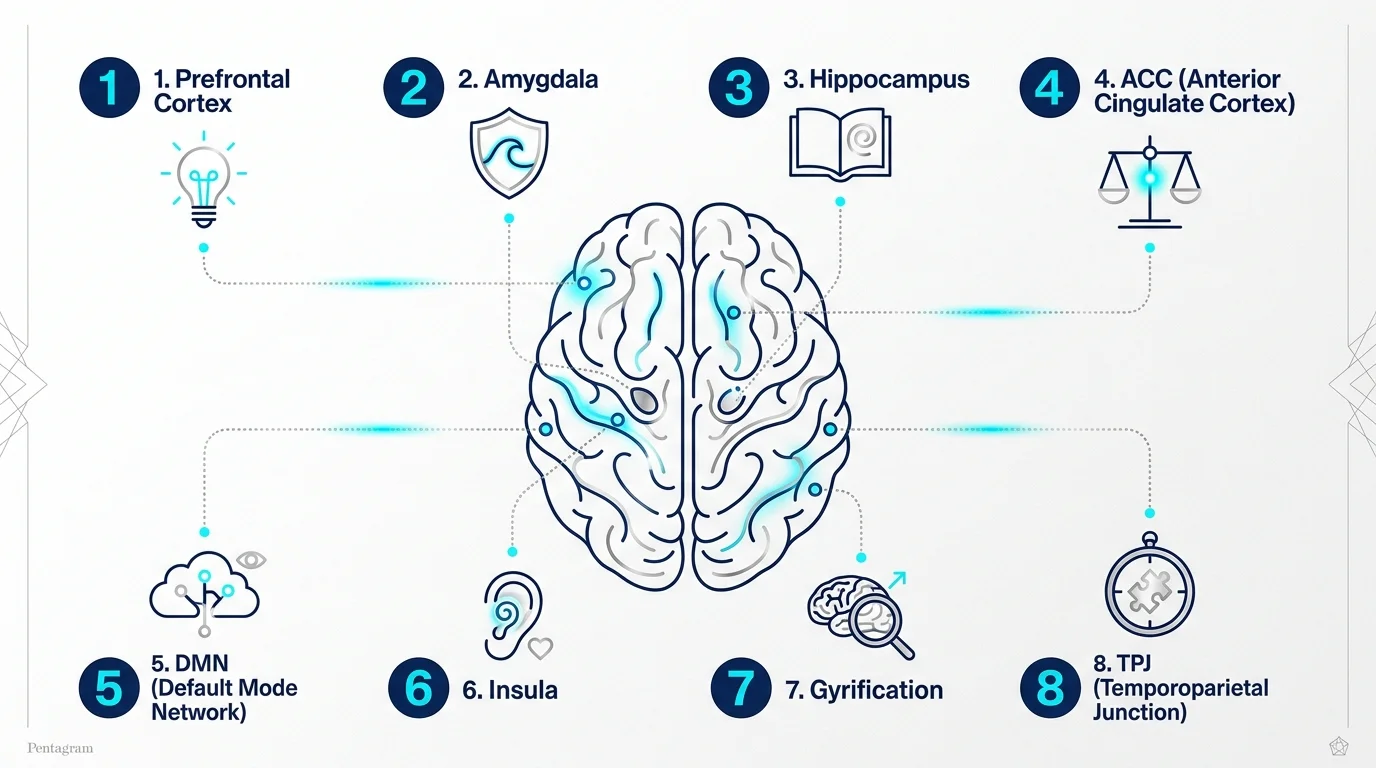
1. Thickening the Prefrontal Cortex
The prefrontal cortex serves as your brain’s command center for executive functioning, governing complex behaviors, critical decision-making, and focused attention. As you age, this area naturally begins to thin, which often leads to cognitive decline and creeping difficulties with concentration. Mindfulness practice directly counteracts this biological aging process by increasing the physical thickness and density of the prefrontal cortex.
When you repeatedly focus your attention on your breath or your immediate sensory surroundings, you stimulate blood flow and cellular growth in this critical region. You essentially perform heavy weightlifting for your executive control center. This enhanced thickness translates directly into a sharper ability to sustain focus during long, exhausting meetings or while navigating complex professional projects.
With a robust and thickened prefrontal cortex, you become remarkably less susceptible to the endless barrage of modern distractions. You can deliberately choose where to direct your mental energy, effortlessly bypassing the impulse to scroll through social media when you need to execute deep work. This structural upgrade empowers you to lead your day with sharp intentionality rather than simply reacting to whatever grabs your attention first.
2. Shrinking the Amygdala
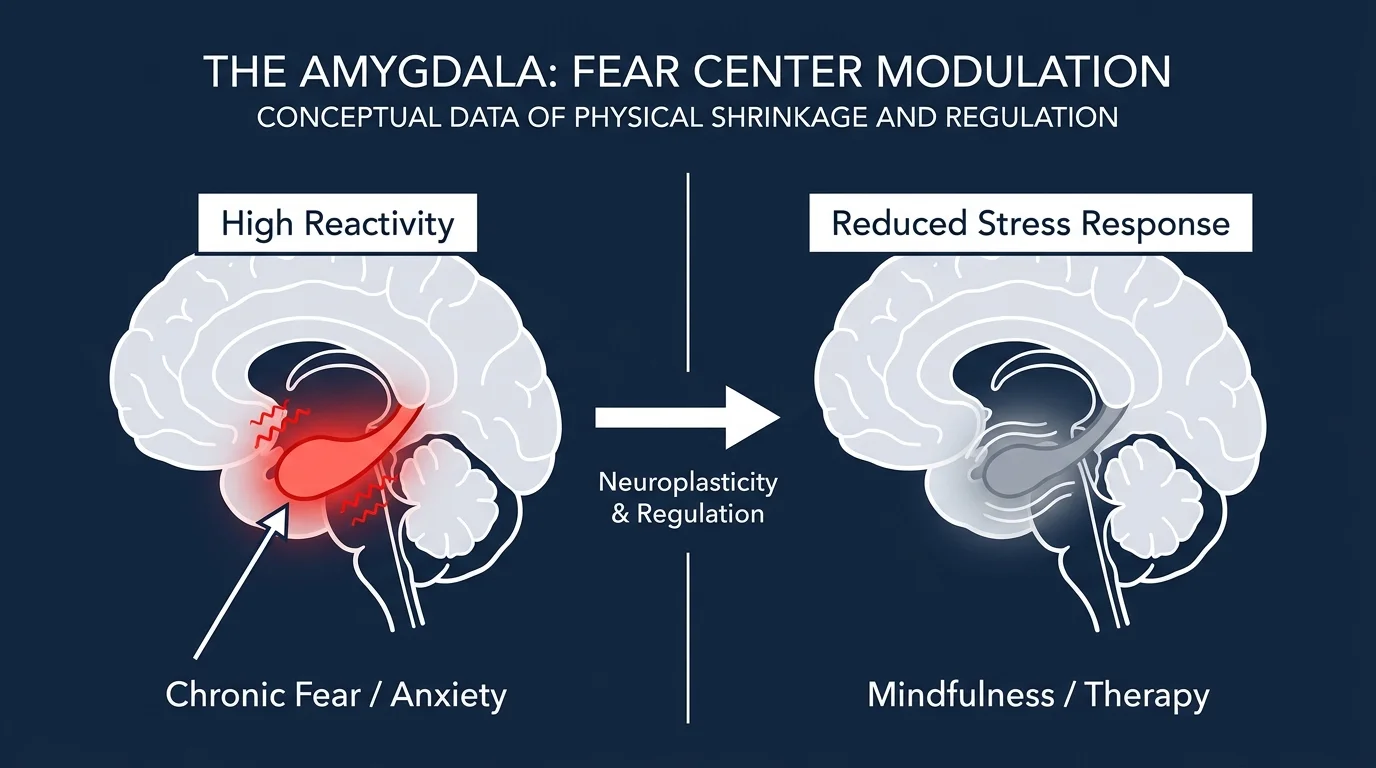
Deep within the older regions of your brain lies the amygdala, an almond-shaped cluster of nuclei entirely responsible for your primal fight-or-flight response. When you encounter modern stress—like an aggressive email from a client or an unexpected medical bill—the amygdala sounds the alarm, flooding your body with cortisol and adrenaline. Chronic stress keeps this alarm constantly activated, resulting in a hyperactive and physically enlarged amygdala.
Scientific imaging reveals that regular mindfulness practice physically shrinks the amygdala, visibly reducing its volume and dampening its relentless reactivity. By learning to observe your rising feelings of panic without immediate judgment or reaction, you signal to your brain that you are fundamentally safe. This vital communication prevents the fight-or-flight mechanism from hijacking your nervous system over minor, daily annoyances.
As the amygdala decreases in size, the neural connection between it and the rest of the brain weakens, while connections to the logical prefrontal cortex strengthen. You experience this profound biological shift as a newfound sense of calm under pressure. Instead of snapping defensively at a frustrated family member, you take a breath, process the emotional data, and respond with measured, constructive composure.

3. Expanding the Hippocampus
Your hippocampus plays a crucial role in learning, forming new memories, and regulating your emotional responses by providing historical context to current events. Chronic stress proves highly toxic to this region, causing it to physically deteriorate and shrink, which often manifests as intense brain fog and frustrating forgetfulness. Mindfulness acts as both a protective shield and a potent growth stimulant for the hippocampus.
Brain scans of individuals who complete standard eight-week mindfulness programs show a significant increase in gray matter density within the left hippocampus. This physical expansion directly enhances your baseline capacity to retain complex information and recall critical details when you need them most. You will likely find it noticeably easier to remember names, absorb complicated new skills, and navigate intricate daily logistics without dropping the ball.
Furthermore, a thriving hippocampus aids in emotional regulation by providing necessary context to your current stressors. When a minor professional setback occurs, a healthy hippocampus immediately helps you remember past successes, reminding your nervous system that the current problem is temporary and solvable. This structural growth fosters a highly resilient mindset, allowing you to bounce back from adversity much faster than before.

4. Strengthening the Anterior Cingulate Cortex
The anterior cingulate cortex brilliantly bridges the gap between your emotional and cognitive functions, enabling you to switch your attention seamlessly from one task to another. It plays a vital role in self-regulation, impulse control, and learning from past mistakes. A weak or underdeveloped anterior cingulate cortex often results in rigid thinking patterns and an overwhelming inability to adapt to sudden changes in your environment.
Mindfulness meditation significantly strengthens the structural integrity and connectivity of this critical brain region. As you practice noticing your wandering thoughts and gently bringing them back to your chosen focal point, you actively exercise the anterior cingulate cortex. This repetitive neural firing builds stronger, faster pathways, directly enhancing your overall cognitive flexibility.
In highly practical terms, this structural enhancement allows you to pivot smoothly when your carefully laid daily plans inevitably fall apart. If a sudden rainstorm ruins your outdoor event or a key project parameter changes at the last minute, you do not spiral into paralyzing frustration. You effortlessly assess the new reality, adapt your strategy on the fly, and keep moving forward with a clear, focused head.
5. Altering the Default Mode Network
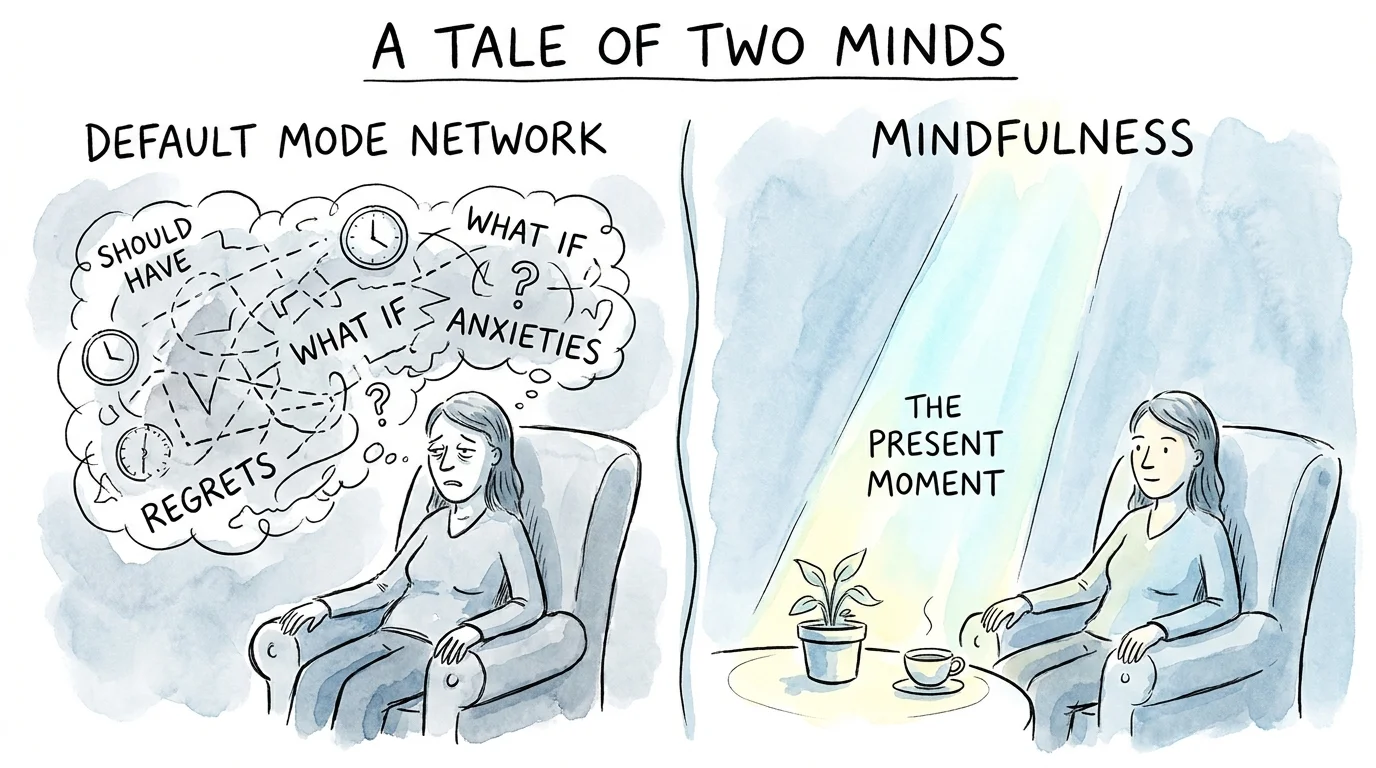
Whenever your mind is at rest and not focused on the outside world, the default mode network activates, plunging you into a state of mind-wandering and self-referential thought. While occasional, creative daydreaming is harmless, an overactive default mode network often leads to relentless rumination and catastrophic thinking about the future. This restless “monkey mind” frequently fuels deep anxiety and persistent unhappiness.
Mindfulness practice measurably decreases the baseline activity and alters the internal connectivity within the default mode network. By continuously drawing your focus back to the tangible sensory details of the present moment, you manually interrupt the endless, exhausting loop of self-referential thinking. You successfully train your brain to quiet the internal narrator that constantly critiques your past actions or predicts future disasters.
When you effectively quiet the default mode network, you experience a profound, lasting sense of mental spaciousness. You can enjoy a quiet walk in the park without silently rehearsing an upcoming presentation or agonizing over a deeply awkward past conversation. This neural rewiring liberates you from the sheer exhaustion of chronic overthinking, allowing you to actually experience your life exactly as it unfolds.
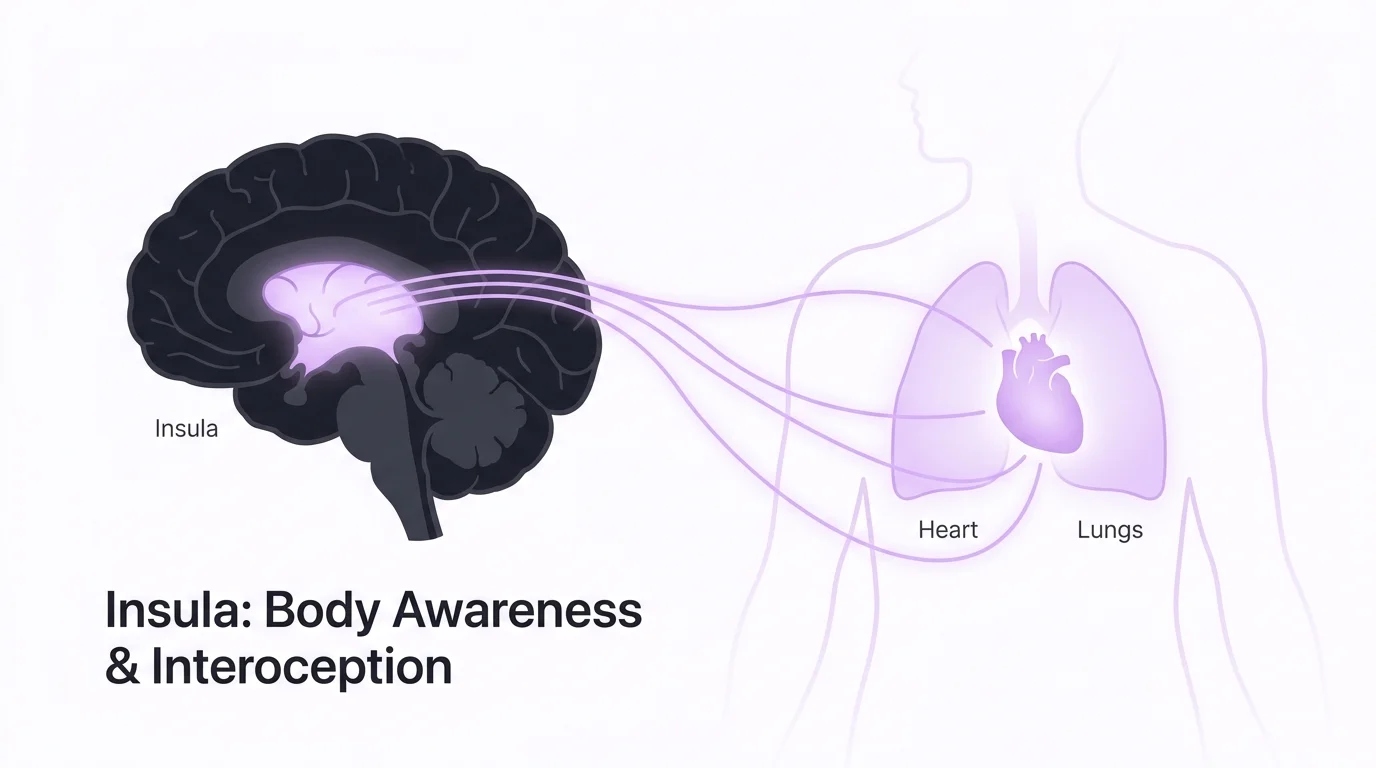
6. Enhancing the Insula
The insula acts as the neurological epicenter for interoception—your ability to accurately perceive internal physical sensations within your own body. This vital region allows you to notice a racing heartbeat, a progressively tightening jaw, or the subtle, early signs of systemic exhaustion. Many busy adults operate entirely disconnected from these physical cues, pushing mindlessly through stress until they inevitably hit a wall of burnout.
Engaging in daily body scan meditations and mindful breathing exercises dramatically enhances the cortical thickness of the insula. This targeted structural development sharpens your internal radar, allowing you to detect the early physiological signs of stress long before they escalate into full-blown panic or anger. You become intimately and highly attuned to your biological needs in real time.
This heightened body awareness provides a crucial, life-saving early warning system for your daily life. When you feel your shoulders creeping up toward your ears during a difficult conversation, your enhanced insula registers the sensation immediately. You can then take proactive steps—like taking a deep abdominal breath or actively adjusting your posture—to diffuse the physical tension before it dictates a harsh emotional response.
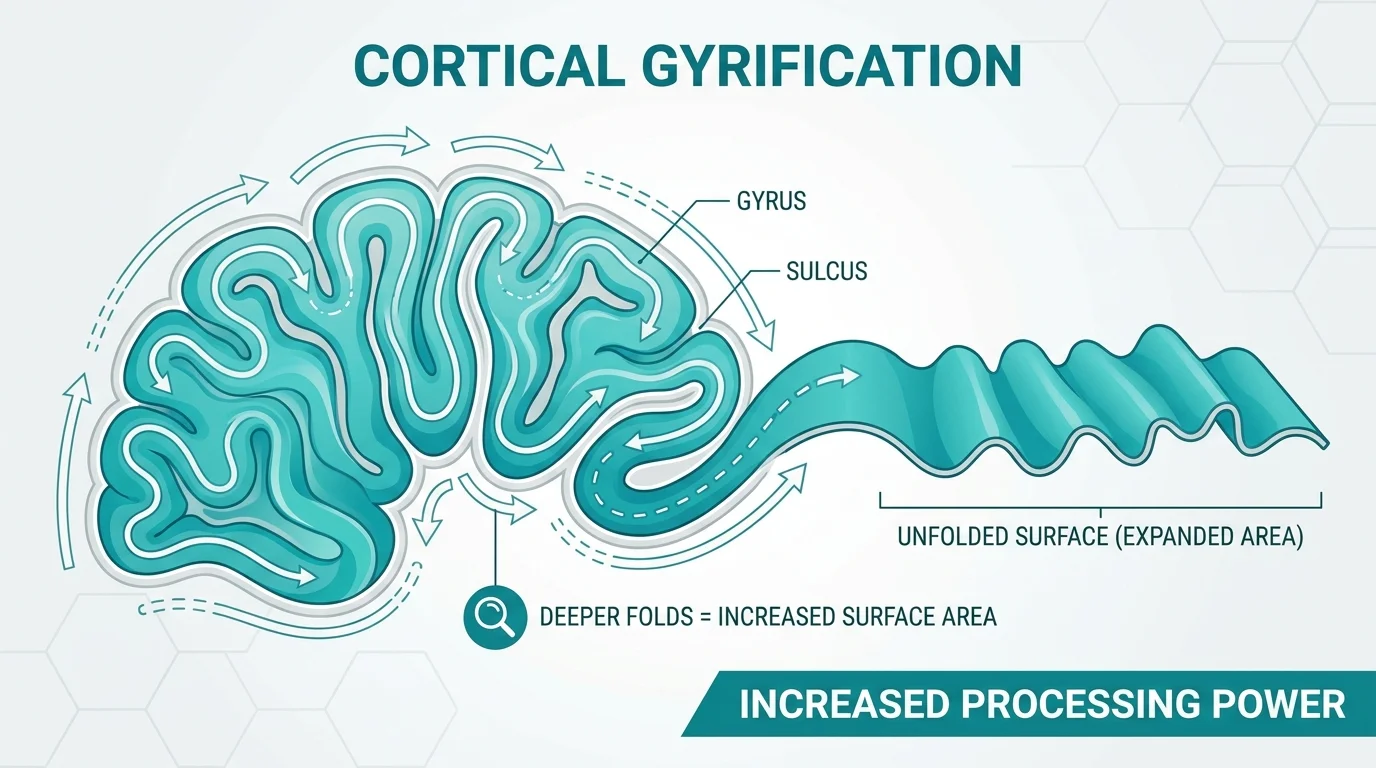
7. Boosting Cortical Gyrification
Cortical gyrification refers to the complex physical folding of the cerebral cortex, the wrinkled outer layer of the brain responsible for advanced information processing and conscious thought. The more folds your brain possesses, the more surface area it has, which generally translates to faster, highly efficient cognitive processing. The brain naturally develops these folds over time, but intentional mental training can significantly accelerate the process.
Scientific studies indicate that long-term mindfulness practitioners exhibit significantly higher levels of cortical gyrification compared to their non-practicing peers. The intense, highly focused attention required during meditation essentially forces the brain to fold in on itself to accommodate the rapidly strengthening neural networks. This brilliant structural adaptation allows you to process complex, multi-layered information rapidly and accurately.
You benefit directly from increased gyrification whenever you juggle multiple variables or attempt to solve intricate, unforeseen problems. Whether you are managing complex household finances, untangling a complicated software issue at work, or organizing a massive family vacation, your brain processes the incoming data with remarkable speed. You navigate incredibly complex scenarios with a sharp, highly agile intellect.
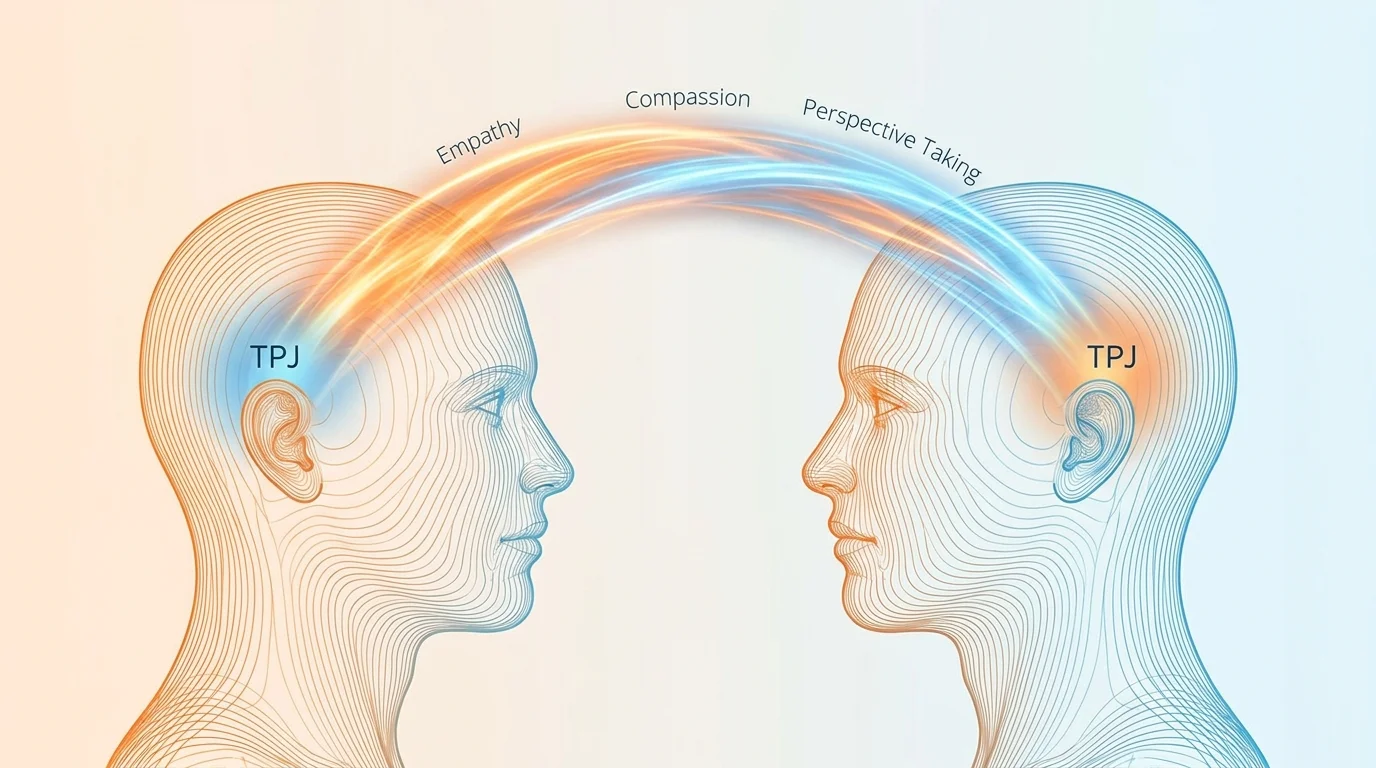
8. Modulating the Temporoparietal Junction
Located precisely where the temporal and parietal lobes meet, the temporoparietal junction largely controls your sense of empathy, compassion, and critical perspective-taking. It allows you to fundamentally understand that other people hold entirely different beliefs, desires, and intentions than your own. A highly developed temporoparietal junction forms the absolute foundation of strong emotional intelligence and healthy interpersonal relationships.
Mindfulness—particularly practices centered on loving-kindness and active compassion—stimulates intense structural growth within the temporoparietal junction. By intentionally cultivating feelings of goodwill toward yourself and others, you physically expand the neural machinery directly responsible for human empathy. You become inherently better at stepping out of your own ego and viewing tense situations from someone else’s unique vantage point.
This physical brain change entirely revolutionizes the way you interact with the frustrating elements of the world around you. When a partner or colleague acts unreasonably, you are significantly less likely to take it personally and far more likely to recognize their underlying stress or fear. This highly empathetic perspective prevents unnecessary, draining conflicts and fosters deeper, far more meaningful connections with the people who matter most.

The Daily Integration Framework: Pause, Observe, Respond
You do not need an hour of uninterrupted silence to harness these powerful neurological benefits. The most effective way to rewire your brain actually involves weaving small, potent moments of awareness directly into your existing routine. You can implement a highly practical framework consisting of three simple steps: pause, observe, and respond.
When you face a challenging moment at work, simply pause before reacting; take a single, intentional breath to break the rigid cycle of automatic behavior. Next, observe your internal state without judgment, noticing the tightness in your chest or the frustration rising rapidly in your throat. Finally, respond with deliberate, strategic clarity rather than reacting defensively to the immediate pressure.
You can easily apply this exact framework to your family life to improve domestic harmony. Before walking through your front door after a long, exhausting day, pause in the driveway to intentionally shed your work stress. Observe the lingering tension in your body, consciously let it go through a deep exhale, and walk inside ready to respond to your family’s energy with genuine presence and warmth.
During your personal downtime, this framework helps you disengage from addictive digital distractions. Before mindlessly opening another social media app on your phone, pause and observe the specific emotional impulse driving your behavior. You may quickly realize you are simply tired or feeling lonely, allowing you to respond by choosing a much more restorative activity, like reading a physical book or calling a friend.

Overcoming Obstacles: Solutions for the Busy Mind

The Time Barrier
The single most common excuse for avoiding mindfulness is a perceived, chronic lack of time. Busy professionals and overextended parents often feel they simply cannot afford to sit perfectly still for ten minutes a day. However, meaningful neurological changes do not require massive time investments; they strictly require consistency and deliberate repetition.
You can seamlessly integrate mindfulness into the mundane activities you already execute every single day. Pay close, unwavering attention to the sensory experience of brushing your teeth, the soothing warmth of the water during your morning shower, or the physical sensation of your feet hitting the pavement as you walk to your car. These micro-moments of intense focus accumulate rapidly over time, successfully prompting the structural brain changes you actively seek.

The Wandering Thoughts Barrier
Many beginners quit practicing within the first week because their minds wander constantly, leading them to falsely believe they are failing at mindfulness. This deep frustration stems from a fundamental misunderstanding of the entire meditative process. Your mind is neurologically designed to wander and seek out novel stimuli; noticing that it has wandered is the actual, core practice.
Every single time you realize your attention has drifted away and you intentionally bring it back to your breath, you perform a highly valuable mental rep. These specific repetitions directly strengthen the anterior cingulate cortex and the prefrontal cortex. You should actively celebrate the moments you catch your mind wandering, as these are the exact moments your brain structure physically changes.

The Skepticism Barrier
It is entirely normal to feel highly skeptical about the profound claims surrounding mindfulness and meditation. We live in a hyper-optimized society that heavily values visible, tangible output, making the simple act of sitting quietly feel unproductive or even entirely pointless. Overcoming this ingrained skepticism requires a fundamental shift in how you define productivity.
View mindfulness as absolutely essential maintenance for your most valuable, irreplaceable asset: your brain. Just as you would not expect a high-performance car to run indefinitely without a routine oil change, you cannot expect your brain to function optimally without dedicated neurological recovery time. Trust the clinical evidence and approach the practice as a scientifically validated tool for total cognitive optimization.

Long-Term Benefits for Focus and Wellbeing
Committing to a consistent mindfulness practice yields compounding returns that extend far beyond a temporary, fleeting sense of physical relaxation. As your brain physically reshapes itself over the months, your baseline for emotional resilience permanently shifts upward. You develop a robust psychological shock absorber that effectively cushions the heavy impact of life’s inevitable setbacks, allowing you to navigate sudden crises with sustained clarity instead of reactive panic.
Your dramatically improved focus translates directly into greater daily efficiency and significantly higher-quality work output. Because you waste far less mental energy battling digital distractions and recovering from constant context-switching, you complete your daily tasks with sharper, faster precision. This enhanced productivity frees up precious hours, finally allowing you to reclaim your evenings and weekends for genuine rest and recreation.
Ultimately, the ongoing, physical structural changes in your brain cultivate a profound, unshakeable sense of overall wellbeing. By actively quieting your internal critic and physically shrinking your fear center, you create the vast mental space necessary for genuine joy and daily gratitude to flourish. You stop living entirely in the anxiously anticipated future or the heavily regretted past, finally allowing yourself to fully inhabit the incredible life you are actively building right now.
Frequently Asked Questions
How long does it take for mindfulness to change the brain?
Rigorous research indicates that measurable structural changes can occur remarkably fast in dedicated practitioners. Many neuroimaging studies demonstrate significantly increased gray matter density and highly altered amygdala connectivity after just eight weeks of consistent, daily practice. Practicing for roughly fifteen to twenty minutes daily provides the necessary neurological stimulus to initiate these rapid, highly beneficial biological adaptations.
Can I achieve these changes just by walking or doing daily chores?
Yes, absolutely; formal sitting meditation is not the only valid path to neuroplasticity. Walking meditation and mindful dishwashing serve as excellent, highly effective tools for cognitive training. The key defining factor is the actual quality of your attention, not the rigid posture of your physical body. As long as you intentionally anchor your focus to present sensory details and repeatedly return your attention when it wanders, your brain will physically respond and adapt.
Do I need to meditate every single day to maintain these brain changes?
Just like physical muscular fitness, mental fitness requires ongoing, dedicated maintenance to sustain peak results. While you do not necessarily need to practice every single calendar day, maintaining a highly regular cadence is absolutely crucial for preserving your hard-won structural changes. If you abandon the practice entirely, your newly formed neural pathways may slowly revert back to their previous, highly reactive default patterns over several months.
Is mindfulness safe for individuals dealing with severe anxiety?
While mindfulness is generally highly beneficial for baseline stress reduction, individuals managing severe clinical anxiety or complex trauma histories should proceed with deep care. Focusing intensely on internal physical sensations can sometimes trigger overwhelming feelings or intense flashbacks. If you have a diagnosed mental health condition, it is always best to learn mindfulness techniques under the direct guidance of a qualified, trauma-informed mental health professional.
Cultivating Your Mental Evolution
Taking direct ownership of your brain’s physical structure empowers you to entirely transform your daily lived experience from the inside out. You possess the remarkable, scientifically proven biological ability to rewire your emotional responses, drastically diminish your stress, and elevate your baseline capacity for genuine joy. This ongoing evolution does not demand rigid perfection or hours of isolated, silent meditation; it simply requires your earnest willingness to show up in the present moment, over and over again, despite the noise of the world.
Let this practical, scientifically backed truth guide your efforts moving forward: your conscious attention is the chisel that actively shapes your brain. Every single time you consciously pause and observe your immediate reality without judgment, you carve out a stronger, vastly more resilient mind. Commit to this quiet, incredibly powerful consistent practice today, and watch as your entire external world gradually shifts to directly reflect the profound, unshakeable calm you have built within.