Welcoming a cat into your life provides profound physical and mental health benefits that anchor you in the present moment during your senior years. You will discover how a feline companion naturally lowers your blood pressure, eases daily anxieties, and cultivates a deep sense of daily purpose. As we navigate the later stages of life, the gentle rhythm of a purring cat offers a living masterclass in mindfulness and gentle awareness. By weaving this companionship into your daily routine, you invite profound emotional regulation and physical restoration into your home. This quiet companionship acts as a vital bridge to greater well-being, transforming ordinary moments into powerful opportunities for connection, healing, and lasting mindful presence.
Foundations of Mindfulness with a Feline Companion
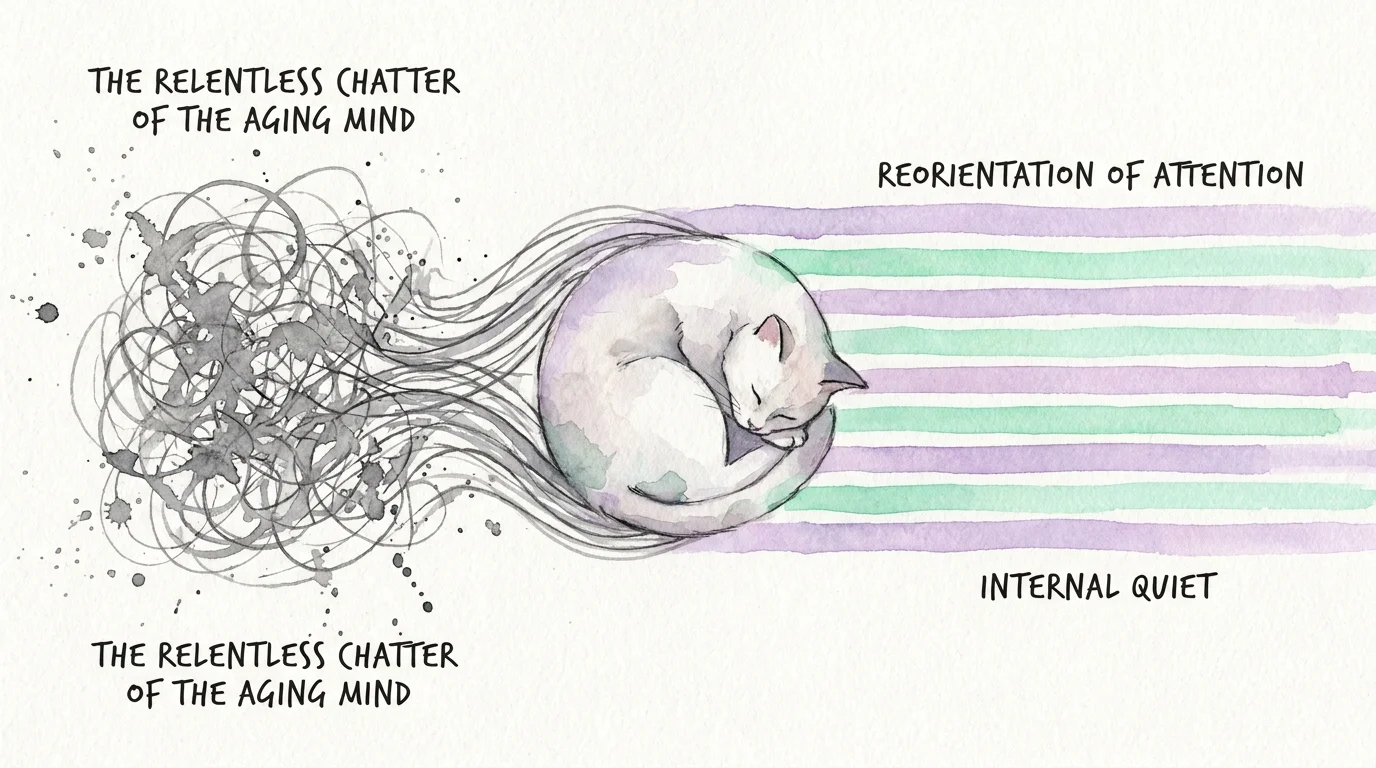
Mindfulness asks us to pay attention to the present moment without judgment; few creatures embody this philosophy as naturally as a cat. When you observe a feline companion gracefully tracking a dust mote or resting completely surrendered in a patch of afternoon sunlight, you witness pure, unadulterated presence. For a senior seeking to cultivate a deeper sense of daily peace, a cat serves as a gentle, living guide. They do not ruminate over yesterday’s missed meal, nor do they project anxiety onto tomorrow’s veterinary visit. They simply exist in the exact space they occupy right now. By bringing your awareness to their steady presence, you actively unlock the remarkable cat benefits seniors experience when choosing to share their living spaces with an animal. Practicing mindfulness alongside a pet shifts your focus away from the relentless chatter of the aging mind and redirects it toward the tangible, vibrant reality of the life breathing softly beside you. This fundamental reorientation of attention lays the groundwork for profound physical and mental transformation.
When you sit beside your pet and choose to focus entirely on their warmth and steady breathing, you practice a core tenet of mindful awareness. This deliberate attention interrupts cycles of worry and grounds you in your immediate environment. According to researchers at the Greater Good Science Center at UC Berkeley, directing compassion and non-judgmental attention toward an animal naturally extends to how we treat ourselves. You begin to accept your own physical aches, shifting energy levels, and emotional fluctuations with the same gentle grace you offer your resting cat. Embracing a feline companion 60+ is not merely about having a pet; it is about inviting a steadfast meditation partner into your daily life.
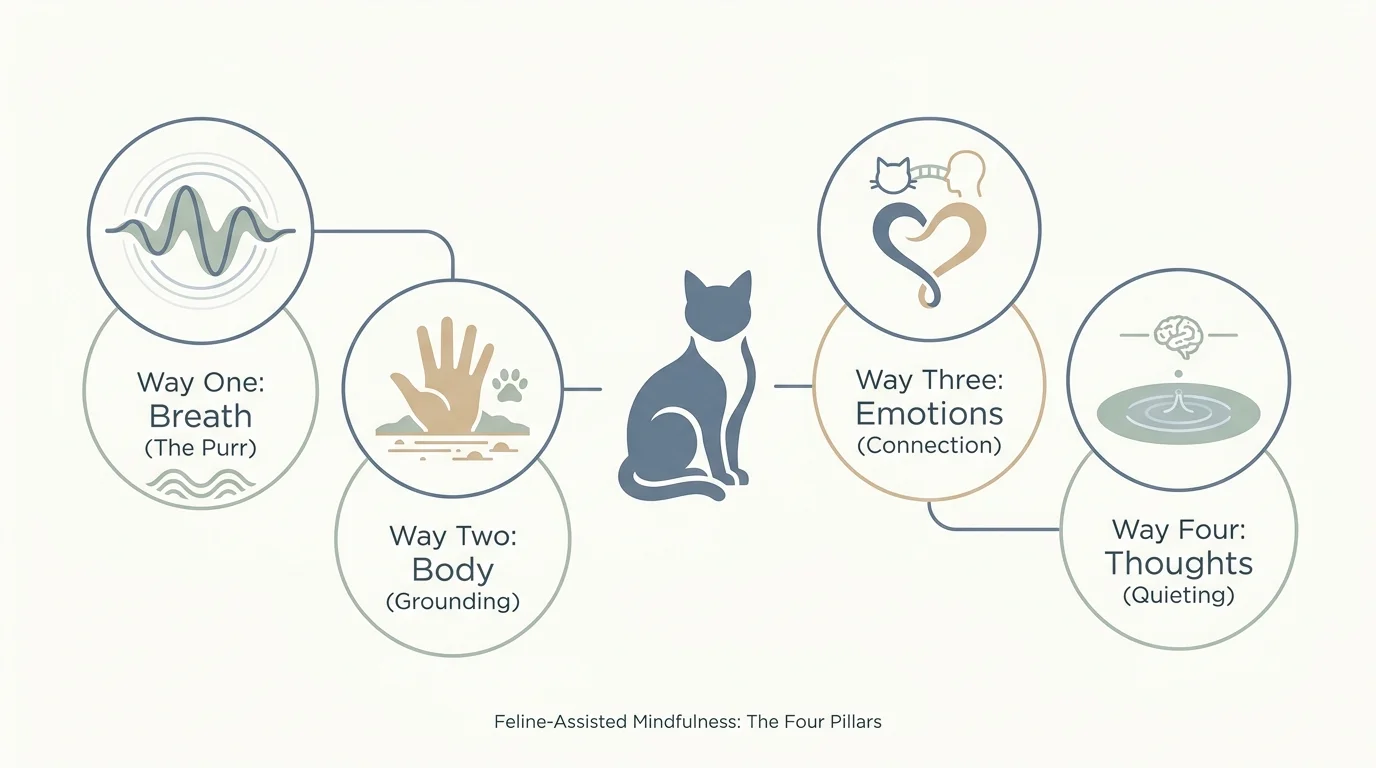
Pillars of Practice: Breath, Body, Emotions, and Thoughts
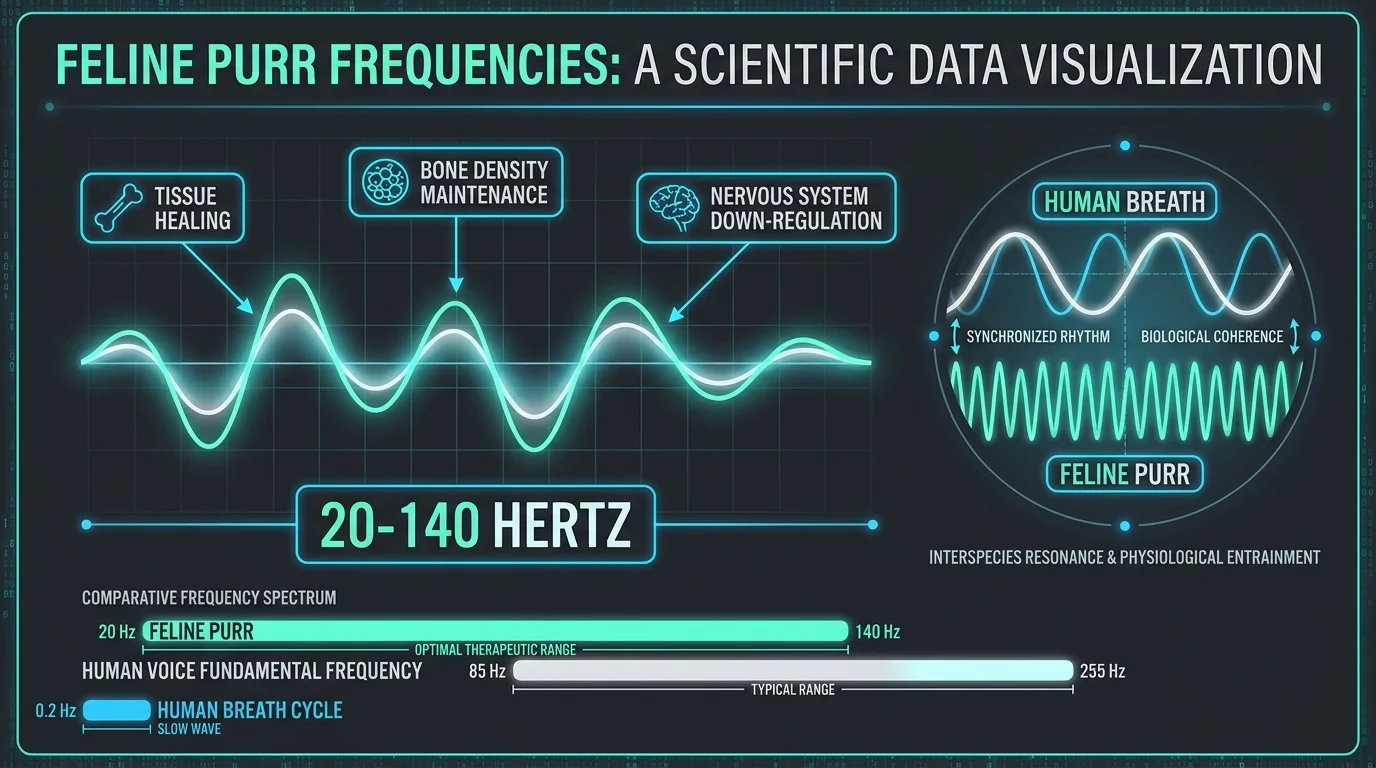
Way One: Harmonizing the Breath with the Purr
The breath serves as our most accessible anchor to the present moment, yet it often becomes shallow and rapid when we feel stressed or overwhelmed. A cat offers an organic biofeedback mechanism through the remarkable power of their purr. Feline purring typically operates at a frequency between twenty and one hundred and forty Hertz—a vibrational range scientifically associated with tissue healing, bone density maintenance, and profound relaxation. When you invite your cat onto your lap, intentionally synchronize your breathing with the steady, rumbling vibration of their chest. Feel the purr resonate gently against your body; allow your inhales to deepen and your exhales to lengthen to match their tranquil tempo. This shared rhythmic experience actively down-regulates your nervous system, pulling you out of the stressful fight-or-flight state and ushering you into a healing rest-and-digest mode. Through this simple, daily synchronization, the act of breathing transforms from an unconscious biological necessity into a rich, restorative mindfulness practice.
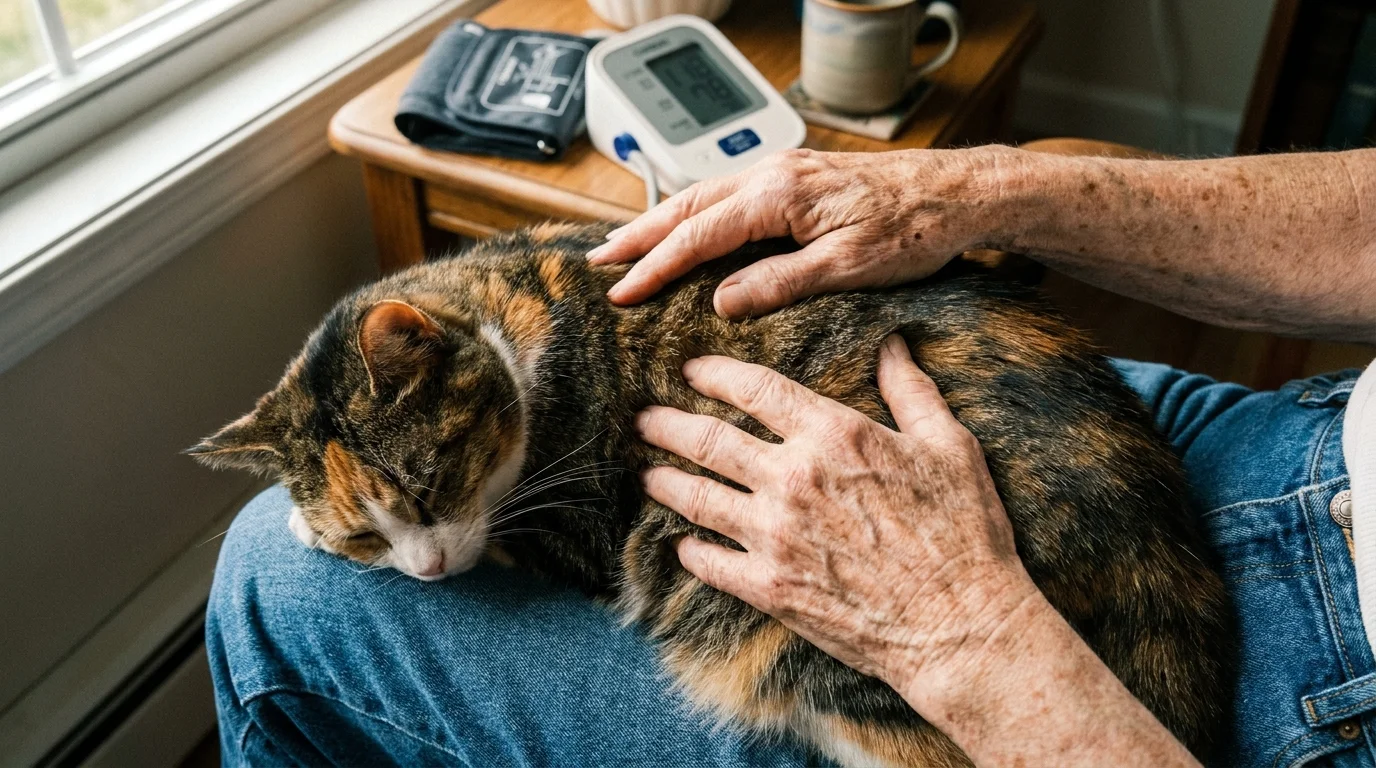
Way Two: Grounding the Body and Lowering Blood Pressure
As we navigate our senior years, managing cardiovascular health becomes a prominent priority. The physical benefits of owning cat health routines are documented extensively, demonstrating a clear correlation between pet companionship and a reduced risk of cardiovascular events. The deliberate, mindful action of stroking your cat’s soft fur initiates a powerful cascade of physiological responses. As your hand moves rhythmically along their spine, your brain naturally decreases the production of cortisol—the primary stress hormone—while flooding your system with oxytocin, widely recognized as the bonding hormone. This biochemical shift directly lowers your resting heart rate and reduces elevated blood pressure. By bringing full, mindful awareness to the physical sensation of touch—noticing the sleekness of the fur, the warmth of the animal’s skin, and the specific pressure of your hand—you maximize these biological benefits. You turn a simple moment of affection into a potent, health-sustaining therapy session right in your own living room.
Way Three: Tending to Emotions and Alleviating Loneliness
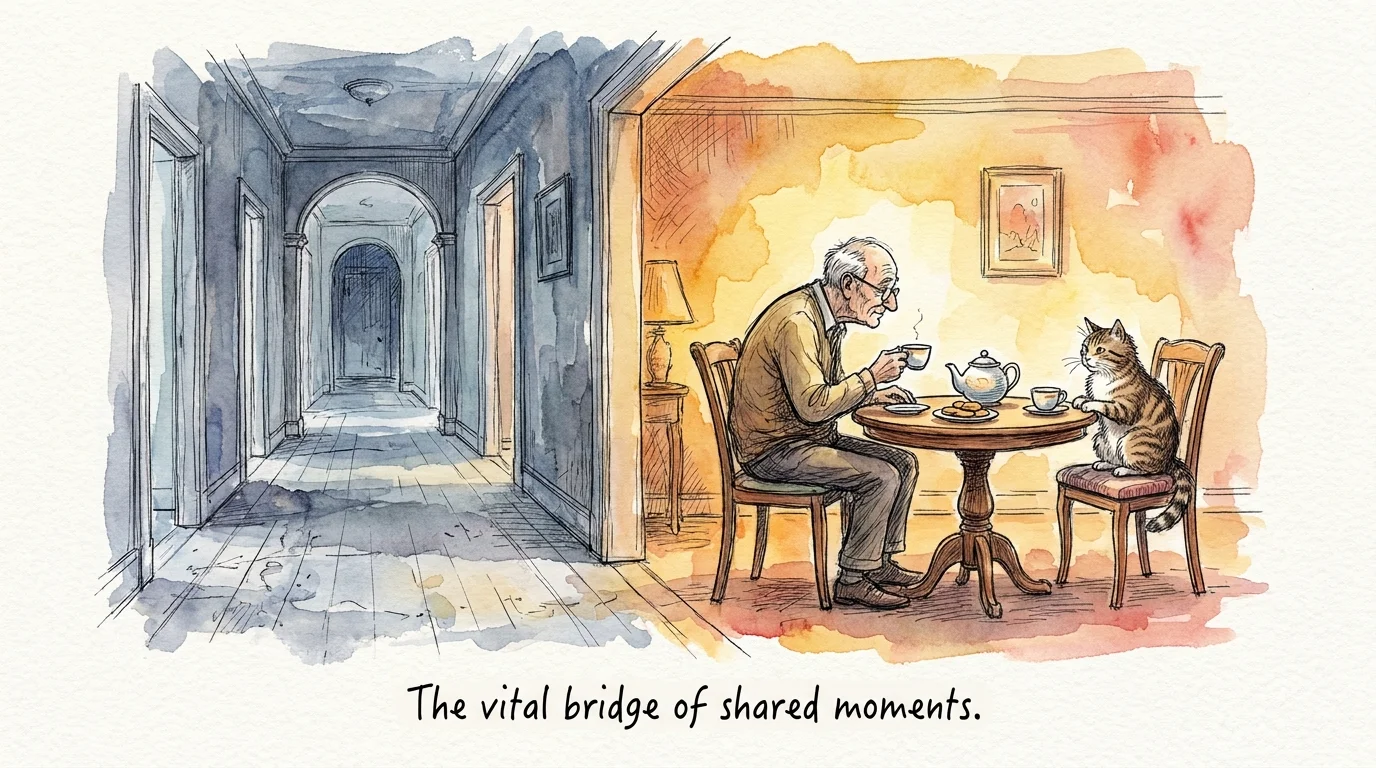
The transition into later life frequently brings quiet waves of isolation, as social circles shift and the pace of daily engagement evolves. The discussion around cat mental health elderly populations face is profoundly intertwined with the antidote to this creeping loneliness. A cat provides a constant, non-demanding presence that fills empty rooms with subtle life and energy. When feelings of sorrow, isolation, or grief arise, you do not need to push them away or mask them with false positivity. Instead, you can sit with your feline companion and simply allow the emotions to move through you. Cats hold space beautifully; they do not offer unsolicited advice or ask you to be anything other than exactly what you are in that moment. Leaning into this non-judgmental companionship fosters profound emotional resilience. You learn to extend self-compassion to your own lonely moments, recognizing that the warm weight of a cat leaning against your leg is a tangible reminder that you are deeply seen, deeply needed, and intimately connected to another living soul.
Way Four: Quieting the Mind and Managing Thoughts
The human mind is a time-traveling machine, constantly pulling us backward into memories or propelling us forward into future anxieties. When intrusive thoughts begin to spiral, a cat demands your immediate return to the here and now. If you are ruminating on a past regret and your cat suddenly nudges your hand demanding a chin scratch, the mental loop is instantly broken. This behavioral interruption is a vital tool for mental health. By redirecting your cognitive focus toward the sensory experience of your pet, you practice the mindful art of unhooking from your thoughts. You observe the thought, acknowledge its presence, and then consciously choose to let it float away as you focus your complete attention on the intricate pattern of your cat’s whiskers or the deep emerald hue of their eyes. Over time, this deliberate shifting of focus trains your brain to detach from unhelpful rumination more effortlessly.
Integrating Mindfulness in Key Domains: Life with Your Feline Guide
Way Five: Establishing a Mindful Daily Rhythm
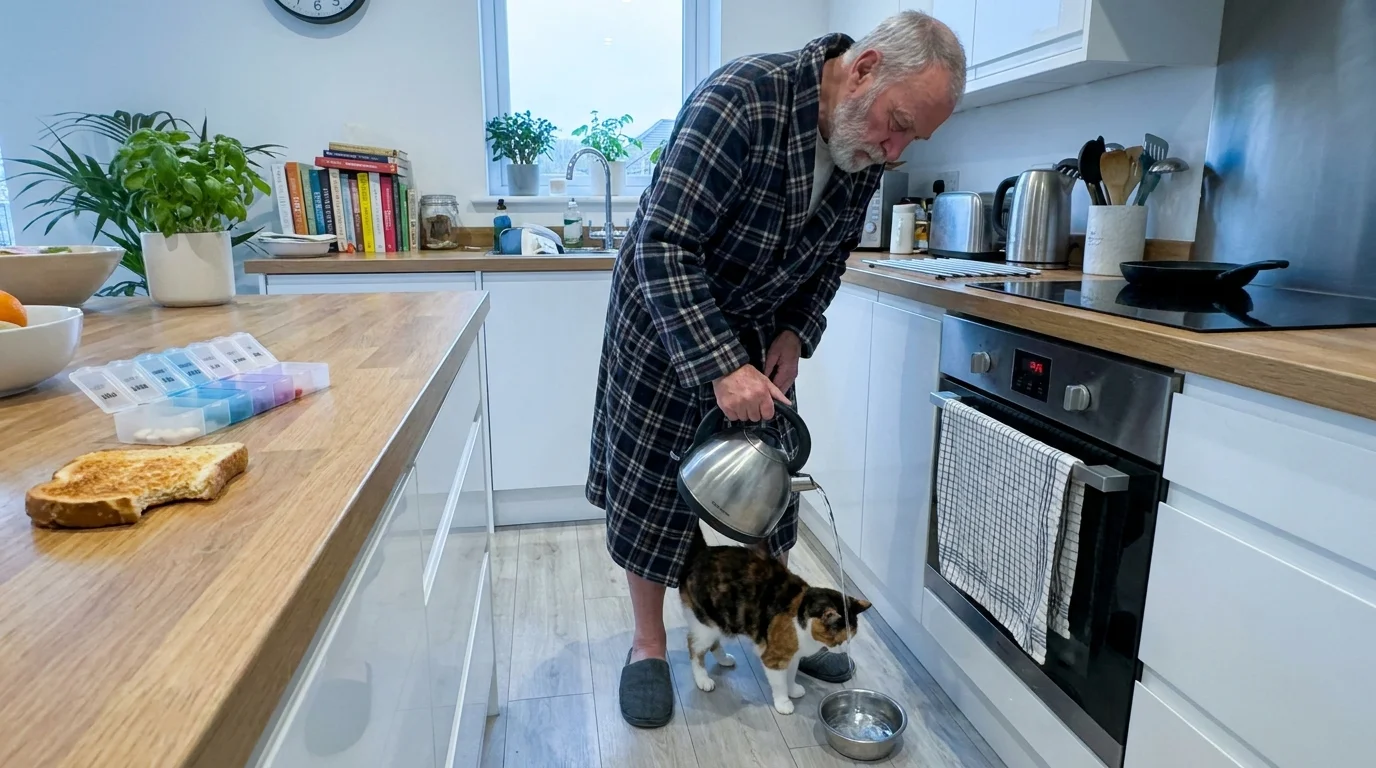
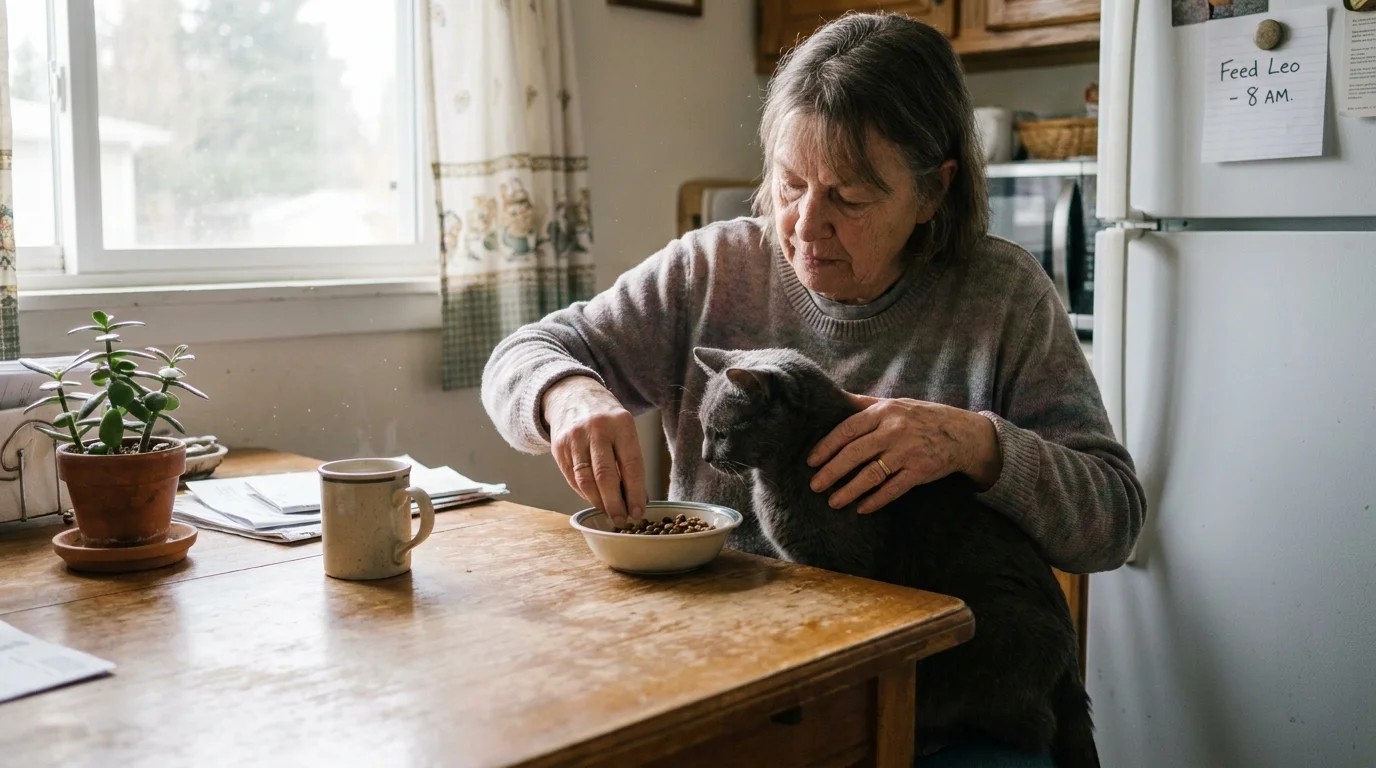
Retirement and the later seasons of life often strip away the rigid external schedules we relied upon for decades. While this newfound freedom is liberating, the absence of structure can sometimes lead to lethargy or a sense of aimlessness. Cats thrive on predictable routines, and their internal clocks are remarkably precise. They will gently—or vocally—remind you when it is time to wake, time to eat, and time to engage. Embracing these senior cat owner benefits means allowing your pet’s routine to serve as the structural framework for your own daily rhythm. Instead of viewing the morning feeding as a chore, you can approach it as a grounding morning ritual. The act of rising from bed, stepping onto the floor, and moving to the kitchen with purpose sets a positive, active tone for your entire day. This steady rhythm prevents the blurring of days and provides continuous, meaningful momentum that sustains both your physical mobility and your mental clarity.
Way Six: Fostering Meaningful Relationships and Connection
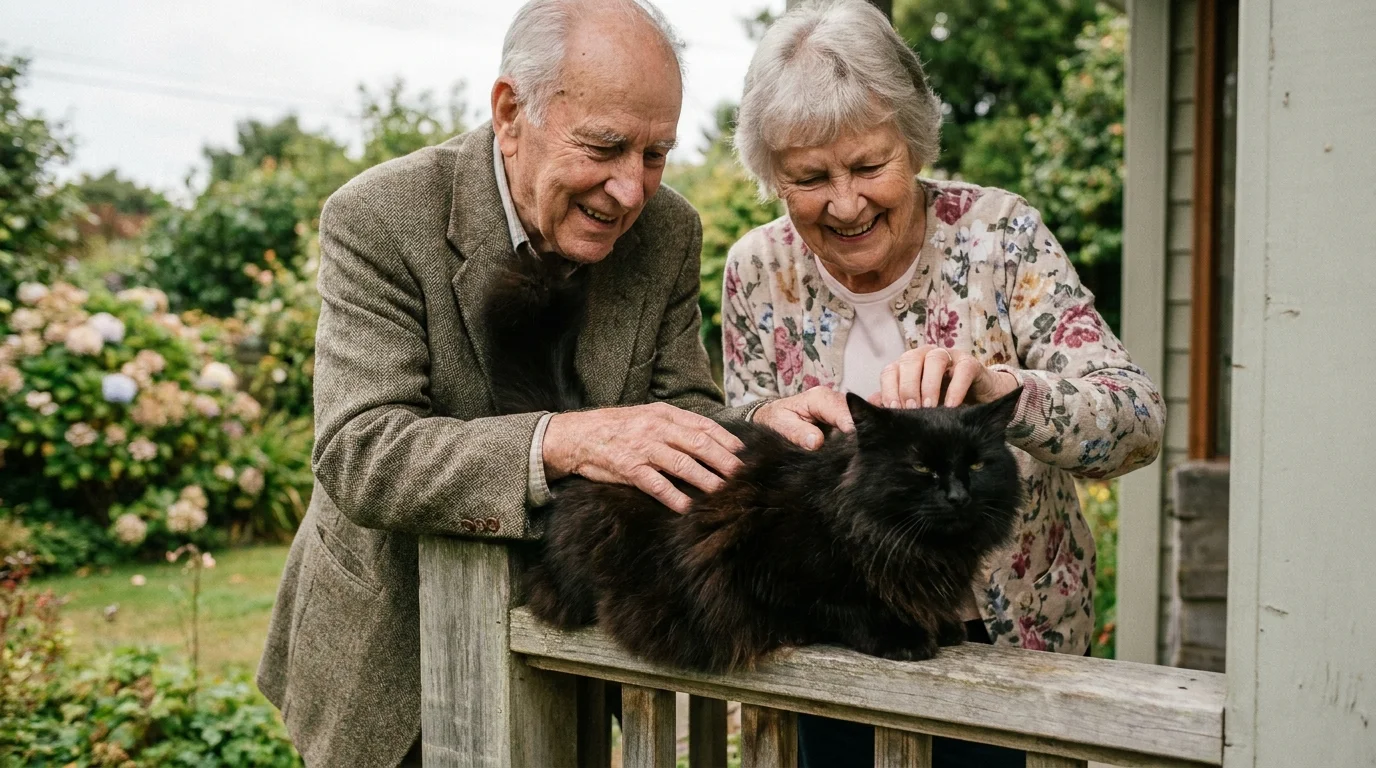
While cats are often celebrated for their independent nature, they paradoxically serve as incredible catalysts for human connection. Caring for an animal requires engagement with the broader community. Conversations with veterinarians, interactions with staff at the local pet supply store, and chatting with neighbors who see your cat sitting in the window all weave new social threads into your life. Furthermore, a shared love for animals bridges generational gaps, providing an easy and joyful topic of conversation with grandchildren, extended family members, or new acquaintances. When you engage in these social interactions mindfully, you practice active listening and genuine presence. You share stories of your cat’s humorous antics with a full, open heart, allowing the joy of feline companionship to spill over into your relationships with fellow humans. This expanded social engagement actively combats cognitive decline and keeps your social faculties sharp and responsive.

Way Seven: Enhancing Solo Restoration and Rest
Our modern culture frequently stigmatizes rest, conditioning us to feel guilty if we are not constantly productive. Cats reject this notion entirely. A cat will sleep for twelve to sixteen hours a day, unapologetically seeking out the softest blankets and the warmest sunbeams to restore their energy. As a senior, your body requires adequate rest to heal and maintain optimal function. You can look to your cat as a mentor in the art of solo restoration. When you notice your cat curled up peacefully on the sofa, view it as an invitation to join them. Situate yourself comfortably beside them, close your eyes, and let go of the pressure to complete household tasks. Mindful resting involves giving yourself full permission to pause. By aligning your resting periods with your cat’s natural downtime, you cultivate a restorative environment where healing can occur free from the heavy burden of self-judgment.
Way Eight: A Micro-Practices Library for Everyday Rituals
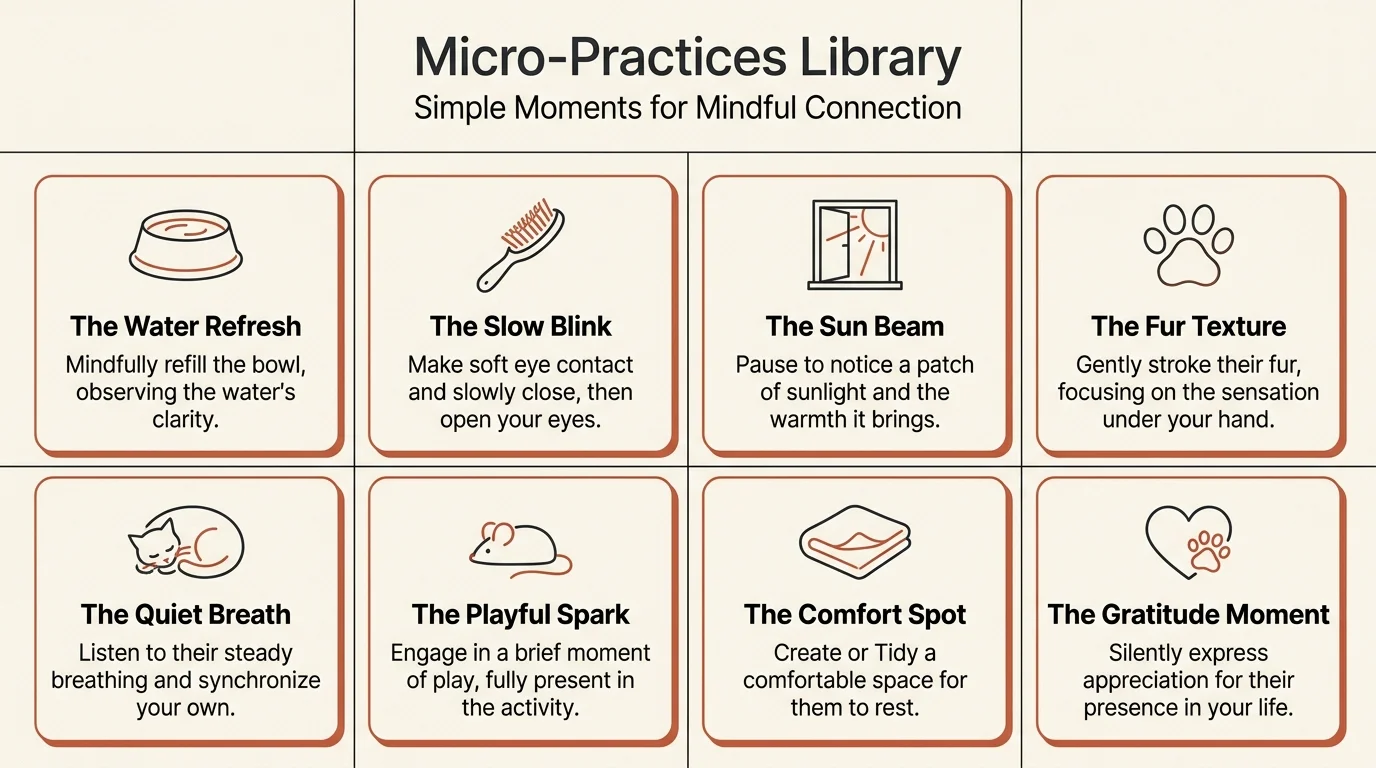
The beauty of mindfulness lies in its portability; it does not require a meditation cushion or an hour of uninterrupted silence. Your daily life with a cat offers a rich landscape of micro-practices that seamlessly blend routine care with profound awareness. Consider the morning feeding ritual. Rather than rushing to open the can while planning your day, slow down the process. Feel the cool metal of the tin in your hand; listen intently to the sharp click and hiss as the seal breaks; notice the rich aroma of the food. Watch the eager anticipation in your cat’s posture and the joyful trill they emit. By engaging all five senses in this two-minute task, you anchor your mind completely in the present morning.
During the quiet hours of the afternoon, grooming your cat transforms into a moving meditation. As you run the brush through their coat, focus entirely on the physical sensations. Notice the rhythmic repetition of your arm moving, the slight resistance of the fur against the bristles, and the deep, appreciative purr rumbling from your companion’s chest. If your mind begins to wander toward a phone call you need to make or a medical appointment on the horizon, gently observe the thought and purposefully return your attention to the exact spot the brush meets the fur. This practice cultivates deep patience and refines your ability to sustain focused attention.
As evening approaches, the transition into playtime offers a dynamic mindfulness exercise. Taking just five minutes to wave a feather wand or toss a fabric mouse demands your active engagement. You must watch the cat’s eyes dilate, anticipate their pounce, and react to their swift movements. This playful interaction requires you to drop all serious adult concerns and simply inhabit a space of lighthearted joy. Play is a vital component of mental health, reminding you that regardless of age, the capacity for spontaneity and delight remains fully intact within you.

Measuring Progress Without Judgment: Gentle Reflections
As you integrate these practices into your life alongside your feline companion, you may wonder how to measure the impact on your physical and mental well-being. True mindfulness discourages rigid scoring or harsh self-evaluation. Instead, rely on gentle, qualitative reflections. The Center for Healthy Minds encourages practitioners to look for subtle shifts in their daily baseline rather than expecting immediate, radical transformations. Take a few moments each week to quietly review your internal landscape. Notice if the tension in your jaw has softened since you began harmonizing your breath with your cat’s purr. Observe whether you are smiling more readily when your cat greets you at the door. Pay attention to your capacity to recover from minor frustrations; perhaps a spilled glass of water does not ruin your morning the way it once did.
These gentle reflections serve as your metrics of progress. You might notice that your blood pressure readings at the doctor’s office have stabilized, or that the hollow ache of loneliness feels less sharp on quiet Sunday evenings. Acknowledge these subtle victories without attaching ego to them. Your progress is simply a natural byproduct of your willingness to show up, pay attention, and love the small creature sharing your home. By observing these shifts with a kind heart, you reinforce the neural pathways that support lasting peace and physical vitality.
Frequently Asked Questions About Feline Companionship and Mindfulness
How can I maintain a mindful routine when my cat wakes me up at night?
Nighttime waking is a common challenge for pet owners, but it also presents a unique opportunity for mindful reframing. Instead of reacting with immediate frustration when a cold nose nudges you at three in the morning, pause and take one deep breath. Acknowledge the irritation without judgment, then consciously choose to reframe the moment. View this quiet, dark hour as an intimate moment of connection that belongs entirely to the two of you. Offer a gentle stroke, whisper a calming word, and use the rhythm of your breath to guide both yourself and your cat back into a state of rest. This transforms a nuisance into an exercise in patience and unconditional care.
What if I feel physical limitations when caring for a new feline friend?
Mindfulness is the practice of working with reality exactly as it is, rather than how we wish it to be. If bending to clean a litter box or reaching down to place food bowls causes physical discomfort, practice self-compassion first. Acknowledge your bodily limitations without shame or self-criticism. Then, mindfully adapt your environment. Invest in long-handled litter scoops, elevated feeding stations, or lightweight food containers. By making these adjustments, you honor your body’s current capabilities while maintaining your commitment to your pet. The mindful path is never about forcing through pain; it is about finding harmonious, creative solutions that allow love and care to flow effortlessly.
How do I handle the emotional weight of outliving a cherished pet?
The sorrow of outliving a beloved companion is profound and entirely valid. A mindful approach to this inevitability involves staying rooted in the present rather than mourning a future loss before it has arrived. When anticipatory grief surfaces as you watch your senior cat sleep, gently redirect your focus to the fact that they are safe, warm, and breathing right now. When the time eventually comes to say goodbye, mindfulness teaches us to hold grief and immense love simultaneously. You allow the tears to fall, fully experiencing the depth of your loss, which is simply the enduring echo of the deep connection you shared. You honor their memory by remaining present with your emotions, trusting that the healing process will unfold exactly as it needs to.
Can simply watching my cat truly be considered a formal mindfulness practice?
Absolutely. In traditional meditation frameworks, practitioners often focus on an external object—like a candle flame or a pebble—to train their concentration. A resting or playing cat serves as a dynamic, living anchor for your attention. Organizations like Mindful.org highlight that any activity performed with full, undivided attention and an attitude of openness constitutes mindfulness. When you sit quietly and dedicate ten minutes exclusively to observing the rise and fall of your cat’s chest, the twitch of their ears, and the texture of their coat, you are actively engaging in a formal concentration practice. This strengthens your brain’s attentional networks and provides a profound sense of mental clarity.
A Grounded Closing Invitation
As you move forward, remember that your feline companion is more than a pet; they are a steadfast partner in your ongoing journey toward physical vitality and mental peace. I invite you to carry this gentle affirmation with you: I embrace the quiet rhythm of this shared life, finding healing and presence in every simple moment. Right now, wherever you are, pause. Drop your shoulders away from your ears. Take one deep, intentional breath in, hold it for a brief moment, and release it slowly. Allow the profound, simple joy of companionship to anchor you deeply in the beautiful reality of today.