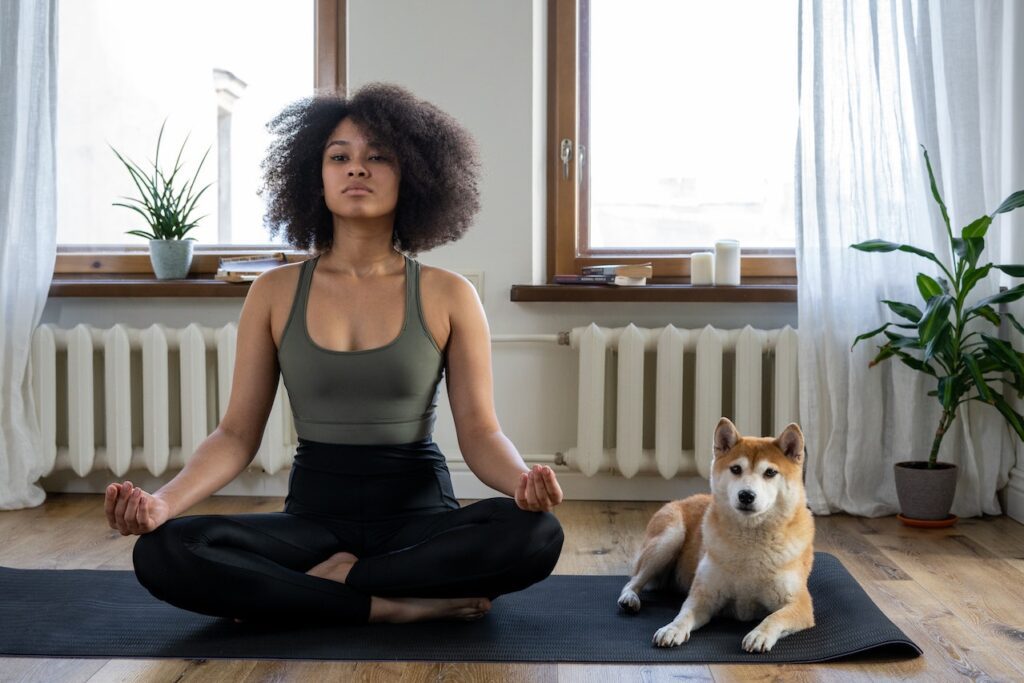
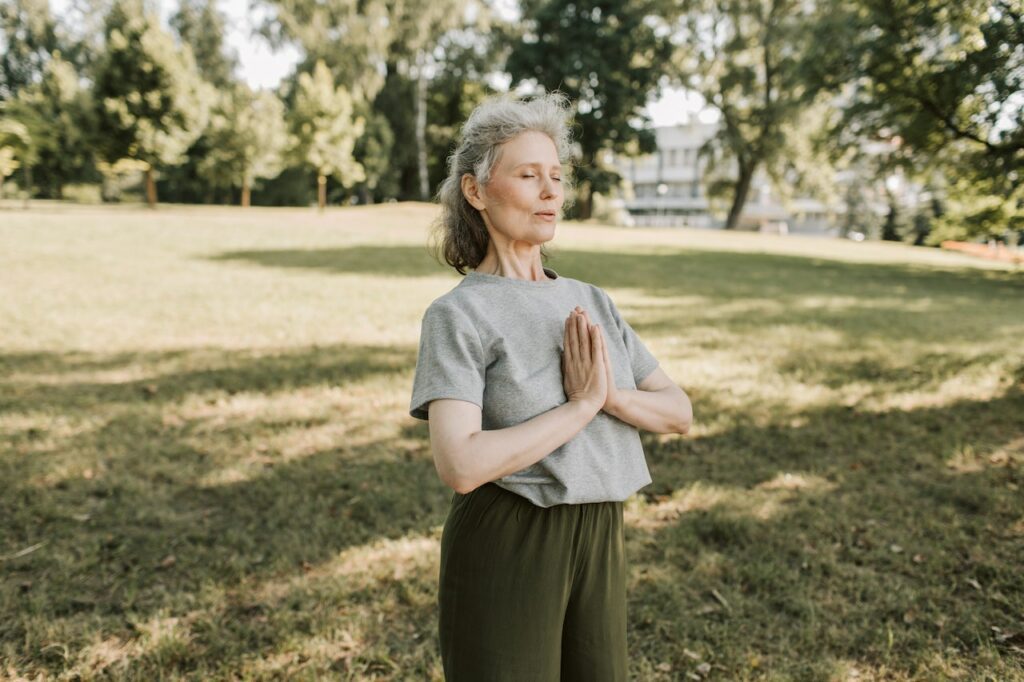
Take a gentle, unhurried breath in through your nose. Notice the cool air filling your lungs, expanding your chest, and bringing fresh oxygen to your body. Allow your shoulders to drop as you exhale completely. Settle into the space where you are sitting. You have arrived at a profound threshold in your life. Retirement often stretches out like a vast, open landscape—a terrain no longer divided by commuting hours, rigid meeting schedules, or the relentless drumbeat of career productivity. While this newfound freedom offers immense joy, it can also bring a sense of disorientation. Without the familiar structures that organized your days for decades, you might find yourself wondering how to anchor your attention and extract meaning from the quieter moments of your post-career life.
This is where the transformative power of mindful gratitude comes into play. Gratitude is not merely a polite reflex or a forced positive attitude; it is an active, grounded practice of recognizing the good that exists in the present moment. When you weave mindful awareness through your retirement years, you do more than just pass the time—you deeply inhabit it. You shift your perspective from what you have left behind to the rich, unhurried experiences unfolding right now. By embracing gratitude, you invite a profound sense of peace and purposeful presence into your daily rhythm.
The Foundations of Mindful Aging
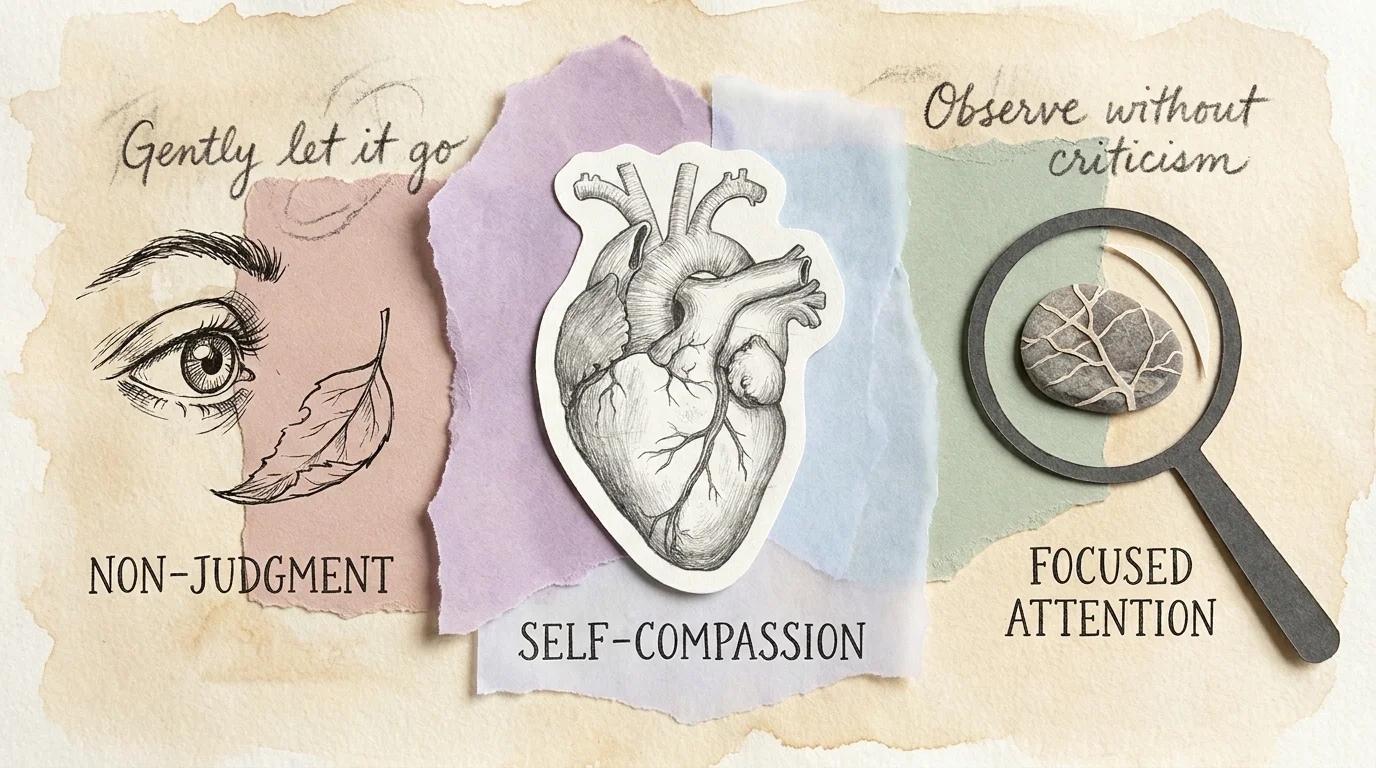
To truly understand how gratitude can reshape your retirement, you must first cultivate the three foundational pillars of mindfulness: non-judgment, focused attention, and deep self-compassion. Aging and transitioning away from a long-held career identity often trigger a wave of self-evaluation. You might catch yourself thinking you should be doing more, traveling more, or feeling happier than you currently do. Non-judgment teaches you to observe these expectations without harsh criticism. You simply notice the thought—perhaps a fleeting worry about productivity—and gently let it go without labeling yourself as failing or succeeding.
Focused attention allows you to draw your wandering mind back to the immediate sensory world. During your working years, multitasking was likely celebrated as a survival skill. In retirement, multitasking only serves to disconnect you from the beauty of the present. By training your attention to remain on one single activity at a time—whether you are pouring a cup of morning coffee or listening to a friend speak—you create the ideal environment for gratitude to flourish. You cannot feel genuinely thankful for a sunset if your mind is busy relitigating a conversation from thirty years ago.
Finally, self-compassion acts as the soft landing pad for your mindfulness practice. The aging process introduces physical changes, shifting energy levels, and occasional grief. Compassion requires you to treat yourself with the same tender encouragement you would offer a beloved grandchild or a dear friend. Research from the Greater Good Science Center at UC Berkeley continually demonstrates that older adults who practice self-compassion and gratitude experience lower levels of the stress hormone cortisol, improved sleep quality, and a more robust immune response. You do not need to ignore the aches and pains of aging; rather, you embrace them with kindness while deliberately shining a light on what is still vibrant and functioning well.

Pillars of Practice: Embodying Your Gratitude
Mindful gratitude involves the whole self. You cannot simply think your way into a grateful state; you must feel it in your bones, observe it in your emotions, and align it with your breath. The following methods demonstrate how to break down this practice into tangible, daily actions that transform your senior years into a period of rich, experiential wealth.
Way One: Breath Awareness as a Gratitude Anchor
Your breath has been your most loyal companion since the moment you were born. It requires no batteries, costs no money, and operates continuously to sustain your life. Begin your daily practice by establishing gratitude for the breath. Find a quiet chair near a window with natural light. Close your eyes and focus entirely on the sensation of breathing. Do not try to change the rhythm or force deep inhalations. Simply observe the natural ebb and flow. With every inhalation, silently say the word “thank,” and with every exhalation, say the word “you.”
This practice does more than calm your nervous system; it fundamentally shifts your relationship with your own vitality. When you express gratitude for the simple act of drawing air into your lungs, you strip away the complex worries of the day. You realize that in this exact second, you have everything you need to survive. This breath practice serves as a dependable refuge. Whenever you feel overwhelmed by the sudden expanse of free time or anxious about the future, return to the physical sensation of the air entering and leaving your body. It is a biological miracle happening entirely on your behalf.
Way Two: The Appreciative Body Scan
Aging inevitably changes the way you move and feel in your physical body. It is incredibly common for older adults to view their bodies with frustration as joints stiffen and energy wanes. The appreciative body scan directly challenges this narrative by showering your physical form with profound gratitude for its decades of service. Lie down comfortably on your bed or recline in a supportive chair. Begin by bringing your awareness to your feet. Think about the thousands of miles these feet have walked—carrying you through childhood, across graduation stages, down aisles, and through workplaces. Silently offer them your genuine thanks.
Slowly move your attention up your legs, acknowledging the strength of your knees and hips. Pause at your heart, expressing gratitude for an organ that has beaten ceaselessly through moments of heartbreak and immense joy. When you reach your hands, recognize the countless tasks they have performed: typing memos, preparing family meals, holding infants, and tending to gardens. By deliberately thanking each body part, you shift your mindset from a deficit model—focusing on what your body can no longer do—to an asset model, honoring the incredible resilience of a body that has carried you through a long, rich life.
Way Three: Compassionate Emotional Noting
Retirement is an emotional landscape filled with peaks and valleys. You will experience days of immense liberation and days shadowed by feelings of obsolescence or loneliness. Mindful gratitude does not ask you to suppress difficult emotions. Instead, it invites you to welcome every emotion with a spirit of quiet appreciation. Emotional noting involves observing your feelings as though they were passing weather patterns moving over a mountain.
When sadness arises, you might silently note, “I am experiencing sadness right now.” Rather than pushing it away, you can add a layer of gratitude by recognizing that sadness is merely a reflection of your capacity to care deeply. You can say, “Thank you, sadness, for showing me how much my former career mattered to me.” When joy appears during a quiet afternoon stroll, note it clearly: “I am feeling joy.” Acknowledge the emotion and thank your mind for its ability to still be surprised and delighted by the world. This gentle, welcoming posture reduces emotional friction and allows feelings to process naturally without defining your entire day.
Way Four: Befriending Your Thoughts
The human mind is a relentless story-generating machine. In retirement, without the constant external demands of a boss or a tight schedule, your mind might fill the quiet space by ruminating on past regrets or forecasting future health anxieties. Befriending your thoughts requires you to step back and observe the narrative stream without getting swept away by the current. When you catch yourself caught in a loop of anxious thinking, pause and take a deliberate breath.
You can practice gratitude here by thanking your brain for its protective instincts. Your mind generates worry because it is trying to keep you safe from harm; it is simply overperforming its evolutionary duty. You can gently say to yourself, “Thank you, mind, for trying to protect me, but I am safe right now in this room.” This simple intervention interrupts the stress response. According to resources from Mindful, bringing friendly curiosity to your thought patterns diminishes the power of intrusive thoughts and cultivates a spacious, peaceful inner environment.
Integrating Mindfulness in Key Domains of Retirement
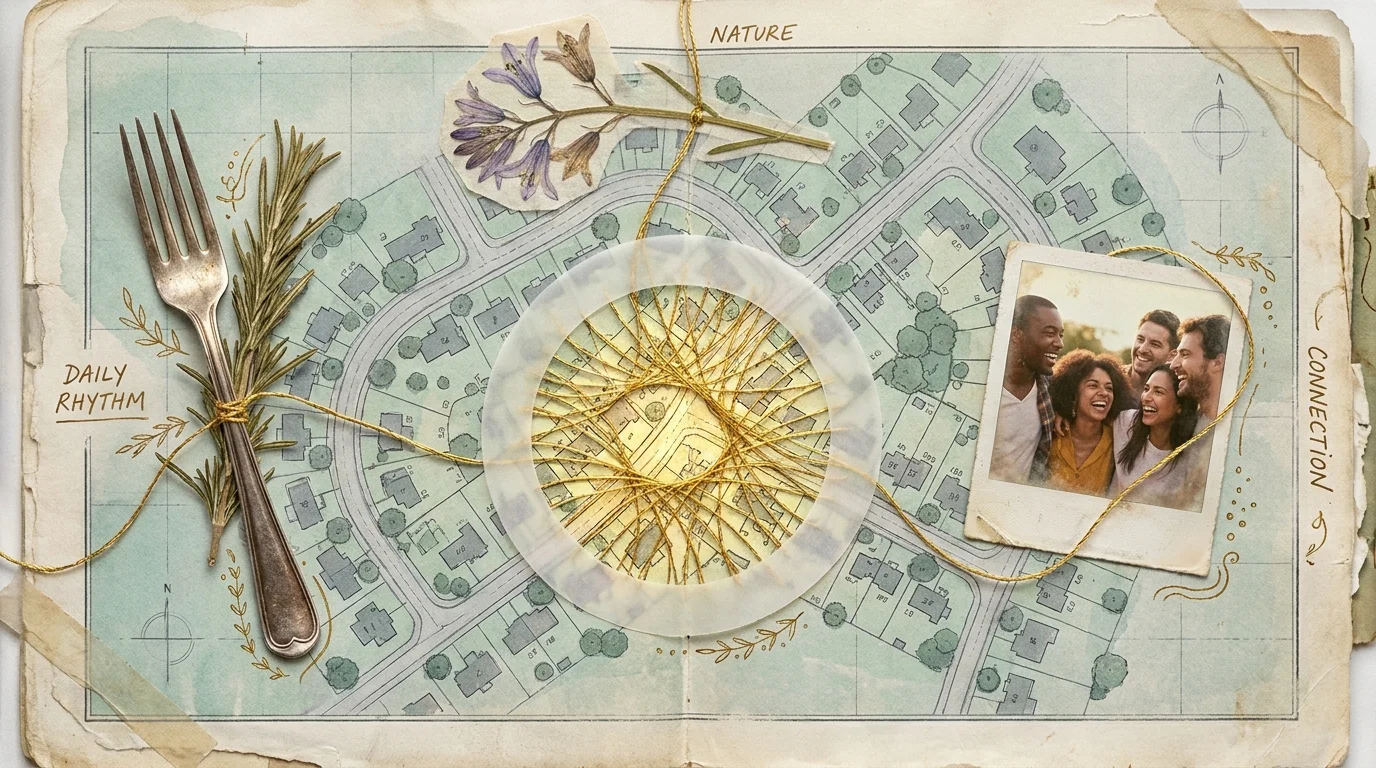
Mindfulness thrives when it is taken off the meditation cushion and woven into the fabric of your everyday life. Retirement offers you the unprecedented opportunity to redesign your daily reality. By applying grateful awareness to your schedule, your relationships, and your solitary moments, you construct a life that feels deeply intentional.
Way Five: Designing Mindful Post-Career Rhythms
For decades, your time belonged largely to other people. Your rhythms were dictated by alarm clocks, rush hour traffic, and project deadlines. Now, your time belongs entirely to you. Instead of viewing your daily routine as a rigid timetable to be filled with busywork, view it as a trellis upon which the vines of your new life can grow. Establish a morning rhythm rooted in unhurried appreciation.
If you used to gulp down your coffee while scanning grim news headlines, transform this routine into a gratitude practice. Hold the warm mug with both hands. Feel the smooth ceramic against your skin. Notice the rising steam and deeply inhale the aroma of the roasted beans. Take three slow breaths before taking your first sip. Reflect on the sun, the soil, and the countless human hands involved in bringing that coffee to your kitchen table. By starting your day with this sensual, deliberate appreciation, you set a tone of abundance that ripples through the rest of your afternoon.
Way Six: Relational Presence and Thankfulness
Retirement radically shifts relationship dynamics. If you are married or living with a partner, you may suddenly find yourselves navigating the same space for twenty-four hours a day. If you live alone, you may need to be more intentional about seeking social connection. In both scenarios, relational gratitude is essential. Mindful presence transforms the way you interact with spouses, old friends, and grandchildren.
Practice the art of deep, non-interruptive listening. When a loved one speaks to you, give them your full, undivided attention. Put down your phone, close the newspaper, and make soft eye contact. Notice the subtle changes in their facial expressions and the tone of their voice. Silently express gratitude for their presence in your life. After a long career of networking and transactional conversations, having the luxury of time to truly listen to another human being is a profound gift. When you appreciate the people around you in real-time, you foster deeper intimacy and ward off the isolation that can sometimes accompany the senior years.
Way 7: Solo Restoration and Savoring
Embracing solitude is a vital component of mindful aging. Solitude is very different from isolation; it is the deliberate choice to be alone with yourself for the purpose of restoration. Use your solitary hours to practice savoring—the mindful art of prolonging and amplifying positive experiences. Whether you are tending to a small garden, listening to a classical record, or watching the birds outside your window, bring your full sensory awareness to the activity.
If you are gardening, feel the cool, damp earth crumbling between your fingers. Notice the vibrant green of the newly sprouted leaves. Smell the distinct scent of soil after a light rain. Actively thank the earth for its regenerative power. Recognizing the cycles of nature provides profound comfort during your own autumn years. It reminds you that every season holds its own unique beauty and purpose. Savoring these solitary moments rewires your brain to naturally seek out and dwell in positive experiences, creating a durable foundation of inner contentment.
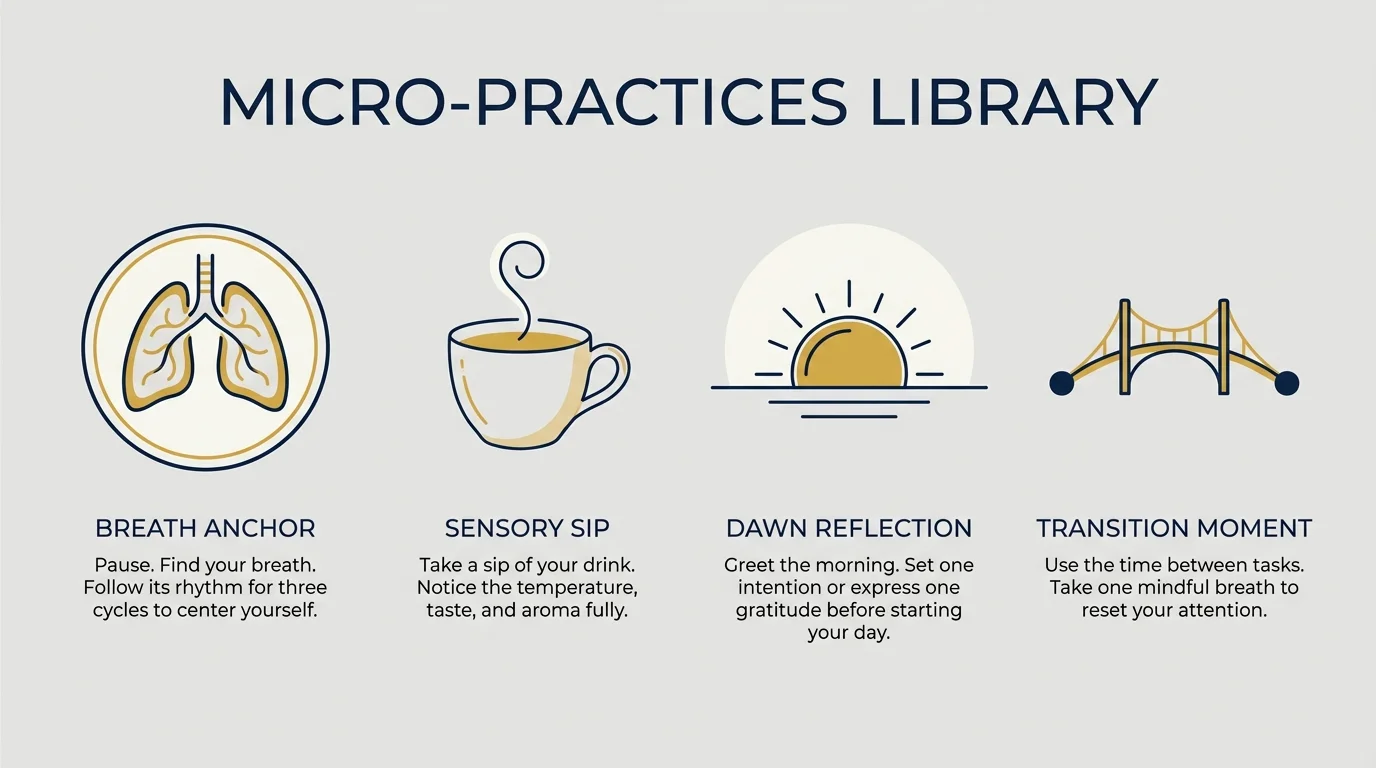
The Micro-Practices Library
Sometimes, sitting quietly for thirty minutes feels impossible. The beauty of mindfulness is that it can be practiced in fleeting micro-moments. These brief pauses act as circuit breakers, stopping the momentum of mindless routine and plugging you directly into the current of gratitude.
Way Eight: Mastering the Transition Micro-Practice
Transitions are the small spaces between activities—the moments you walk from the kitchen to the living room, the time spent putting on your shoes before a walk, or the brief pause before turning the key in your car ignition. During your working years, transitions were likely rushed blurs as you hurried to the next obligation. In retirement, you can reclaim these spaces.
Make it a habit to pause at doorways. Before walking into a new room, stop for three seconds. Take one deep breath. Leave whatever you were just doing behind you, and consciously step into the new environment with fresh eyes. If you are sitting down to a meal, take a micro-moment to mentally thank the farmers and drivers who brought the food to your plate. If you are driving for pleasure, turn off the radio for the first five minutes and simply appreciate the engineering of the vehicle and the beauty of the passing scenery. These micro-practices stack up over weeks and months, fundamentally shifting your default state from hurried distraction to peaceful presence.

Measuring Progress Without Judgment
In a society obsessed with metrics, you might wonder how to measure your progress in mindfulness. You cannot track gratitude on a spreadsheet or grade your meditation sessions. True progress in mindful aging is subtle and internal. You will know the practice is taking root when you notice a softer approach to life’s inevitable inconveniences. When the grocery store line is long, rather than feeling a spike of irritation, you might find yourself grateful for the moment to stand still and observe the people around you.
To support this gentle tracking, implement an evening reflection practice. Keep a small notebook by your bedside. Before turning off the lamp, write down three highly specific things you were grateful for that day. Avoid broad categories like “family” or “health.” Instead, document the exact, sensory details: “The sound of rain against the living room window at 2 PM,” or “The sweet taste of the honey in my afternoon tea.” Over time, this journal becomes a historical record of your mindful presence. It proves to you that your retirement is not a fading echo of your working life, but a vibrant, deeply textured chapter of its own.
Frequently Asked Questions About Mindful Aging
How do I stay consistent when I keep forgetting to practice?
Consistency grows from gentle returns, not rigid discipline. When you realize you have forgotten to be mindful for three days, do not scold yourself. The exact moment you remember you forgot is a moment of pure mindfulness. Smile at your forgetfulness, take a deep breath, and begin again right where you are. Link your practice to existing habits—like breathing deeply while waiting for the kettle to boil—to build natural consistency.
What if gratitude feels fake or forced on painful days?
You never need to apply a veneer of fake positivity over genuine physical or emotional pain. Toxic positivity demands that you smile through suffering; mindful gratitude allows you to hold two truths at once. You can acknowledge that your back aches terribly today, while simultaneously holding gratitude for the warm heating pad or the supportive comfort of your favorite chair. Start incredibly small on difficult days.
Can mindfulness really change my brain at this age?
Absolutely. The concept of neuroplasticity—the brain’s ability to reorganize itself by forming new neural connections—does not disappear when you reach retirement. Studies from the Center for Healthy Minds confirm that well-being is a skill that can be trained at any stage of life. Engaging in daily gratitude and focused attention exercises physically strengthens the areas of your brain associated with emotional regulation and empathy, proving you are never too old to cultivate a joyful mind.
How do I handle the grief of losing my career identity?
Mindfulness asks you to approach this grief with profound compassion rather than trying to fix it immediately. Your career gave you purpose, structure, and social connection. It is entirely natural to mourn its passing. Use mindful journaling to express gratitude for the specific ways your career shaped you. By honoring the past with thanks, you gently untether yourself from it, creating the necessary emotional space to discover who you are becoming next.
Retirement is not a waiting room; it is an active, ongoing invitation to meet yourself exactly as you are. By adopting these mindful gratitude practices, you transform empty time into an expansive canvas of presence. You begin to realize that the most profound achievements of your life are no longer found in promotions or paychecks, but in the quiet, magnificent ability to appreciate the sunlight warming your hands on a Tuesday morning.
Allow your eyes to soften. Draw your attention inward one final time. Breathe deeply into your chest, hold the air for a brief moment, and exhale with a profound, silent thank you. You are exactly where you need to be.