When an urgent email hits your inbox right as your child knocks over a full cup of milk, keeping your composure usually feels impossible. You can train your brain to stay grounded in these chaotic moments by building reliable, science-backed emotional reflexes. Cultivating specific routines helps you sidestep the panic loop and make clear, rational decisions when stress surges. Instead of reacting out of fear or frustration, you learn to pause and assess the situation effectively. These practical strategies do not require hours of meditation or an expensive silent retreat; they fit seamlessly into your chaotic daily schedule. Mastering these accessible techniques transforms overwhelming pressure into manageable tasks, allowing you to reclaim control over your mood and your day.

What Mindfulness Means When You Feel Overwhelmed
Many people misunderstand mindfulness as a magical state of unbroken peace or a rigid practice of sitting quietly in an empty room. In the context of surviving a high-pressure workday or managing family tensions, mindfulness is simply the practice of keeping your attention anchored in the present moment without immediately judging it. It is an active, dynamic state of awareness that allows you to observe a crisis unfolding without letting that crisis hijack your nervous system. You are not trying to banish stressful thoughts or suppress feelings of anxiety; you are aiming to create a tiny, crucial buffer zone between an external trigger and your internal reaction to it.
This psychological buffer zone changes everything about how you experience adversity. When you operate on autopilot, a perceived threat—like a critical comment from a boss or an unexpected financial expense—prompts an immediate, reactive surge of adrenaline. Mindful awareness interrupts this automatic surge. It gives you the necessary seconds to evaluate whether the threat requires an emergency response or just a deliberate, measured solution. You learn to witness your internal alarm bells ringing without immediately assuming the building is on fire.
Ultimately, calmness under pressure does not mean you stop feeling stressed. It means you stop letting the stress dictate your behavior. By grounding yourself in the reality of what is happening right now, you prevent your mind from spiraling into worst-case scenarios about the future. This pragmatic approach to emotional regulation helps you navigate demanding situations with clarity, preserving your vital energy for solving problems rather than fueling an exhausting cycle of panic.
The Science Behind Keeping Your Cool
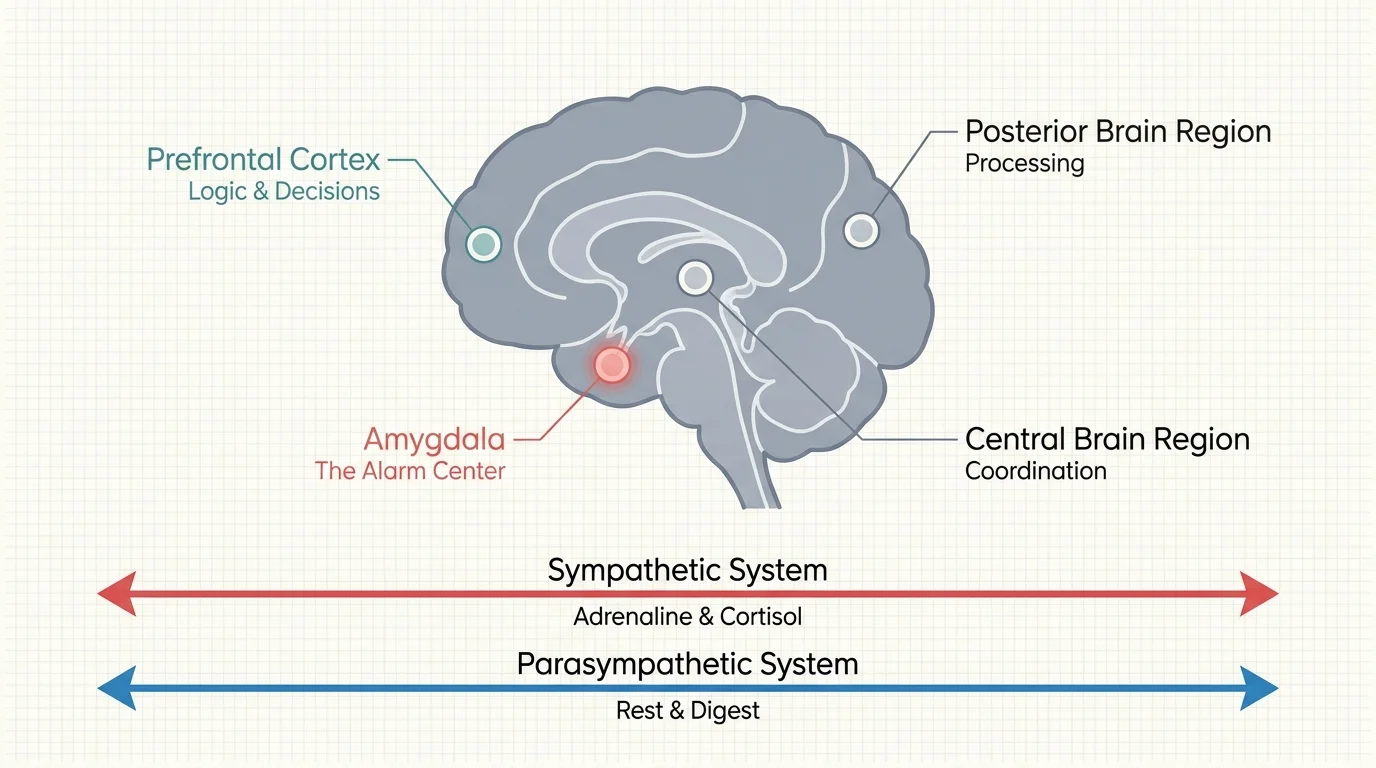
To truly appreciate how these habits transform your response to stress, you must understand the basic biological mechanisms at play. When you encounter a high-pressure situation, the amygdala—the rapid emotion-processing center of your brain—sounds an alarm. This triggers the sympathetic nervous system, flooding your body with cortisol and adrenaline to prepare for a physical fight or a rapid escape. While this evolutionary mechanism kept our ancestors safe from physical predators, it severely impairs modern problem-solving. It literally diverts blood flow and oxygen away from the prefrontal cortex, which is the area of your brain responsible for logic, executive functioning, and rational decision-making.
You can counteract this biological hijacking by consciously engaging your parasympathetic nervous system, often referred to as the rest-and-digest network. According to resources provided by the American Psychological Association, specific behavioral interventions can successfully lower cortisol levels, reduce your resting heart rate, and restore activity to your prefrontal cortex. You are effectively sending an all-clear signal to your brain, indicating that despite the urgent deadline or the tense confrontation, your physical safety is not actually in jeopardy.
The benefits of this intentional down-regulation are widely documented in clinical literature. For example, insights from a publication from Harvard Health highlight how eliciting the relaxation response counteracts the toxic effects of chronic stress on the physical body. Furthermore, continuous practice physically rewires the brain over time. Regular engagement with stress-reduction techniques builds thicker neural pathways in the areas associated with focus and emotional regulation, a phenomenon of neuroplasticity supported by research backed by the National Institutes of Health. Every time you consciously choose a calming habit over a reactive impulse, you strengthen the neurological infrastructure that will keep you grounded during the next crisis.
The Daily Integration Framework: Pause, Observe, Respond
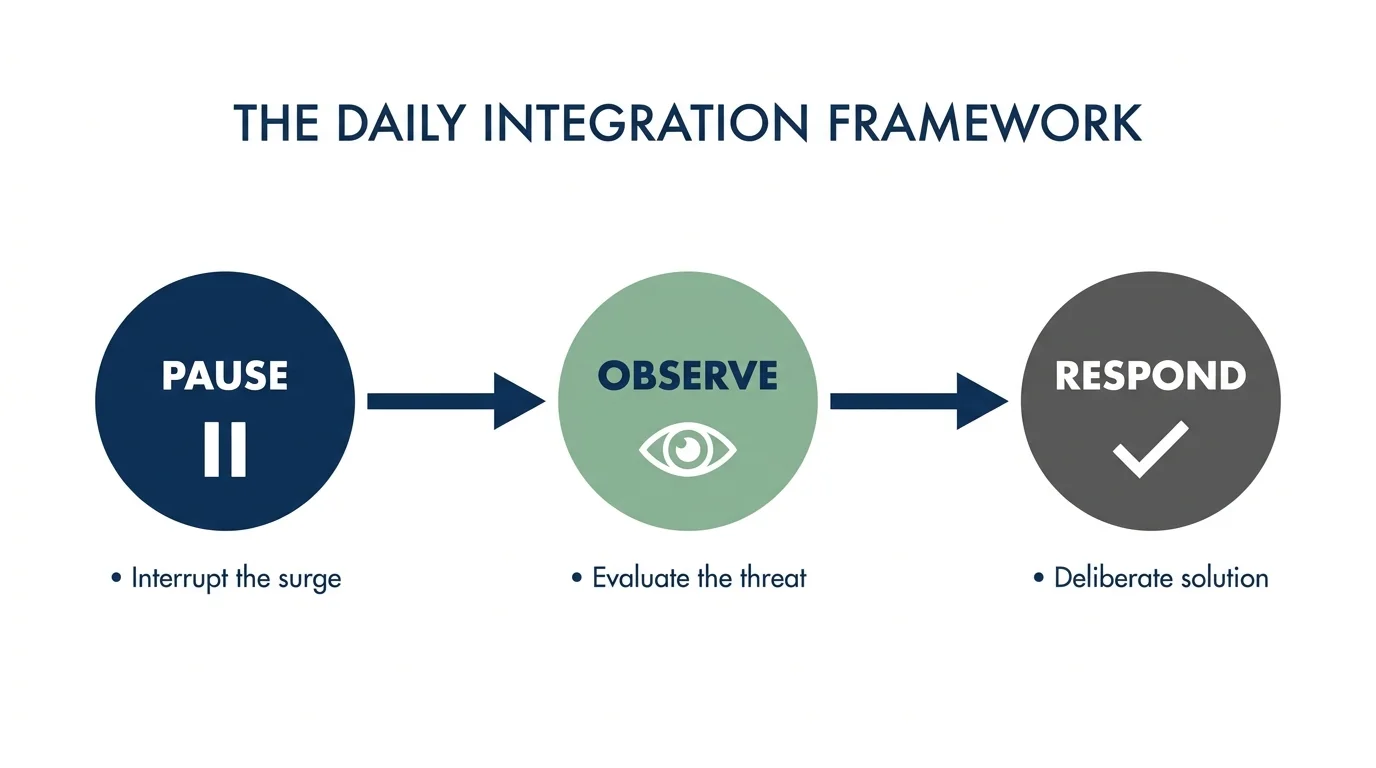
Transforming scientific theory into daily action requires a reliable, repeatable framework. The most effective structure for building composure under pressure relies on three distinct phases: pause, observe, and respond. This sequence acts as a mental circuit breaker, preventing you from short-circuiting when demands pile up rapidly. You can deploy this framework in a matter of seconds, whether you are sitting in a hostile boardroom meeting or trying to get uncooperative toddlers out the door in the morning.
The first phase is the pause. As soon as you feel the familiar physical sensations of stress—a tightening chest, a clenched jaw, or a racing pulse—you must consciously stop whatever you are doing. You do not send the angry email, you do not snap back at your partner, and you do not frantically rush to fix the sudden mistake. This physical and mental halt is the fundamental bedrock of emotional control. It is a deliberate refusal to let the urgency of the moment dictate your next move.
Next, you observe. You direct your attention inward and outward to gather objective data. Internally, you might note that your breathing is shallow and your mind is racing toward catastrophic conclusions. Externally, you observe the actual facts of the situation rather than your emotional interpretation of those facts. Instead of thinking that your entire career is ruined because of a delayed project, you observe that the project is simply behind schedule and requires a revised timeline. This objective assessment strips the emotional volatility away from the problem.
Finally, you respond. Because you have paused and observed, your eventual action is rooted in strategy rather than panic. A response is highly intentional, whereas a reaction is purely reflexive. In a professional setting, this might look like calmly asking a colleague for clarification instead of defensively arguing a point. At home, it might mean stepping into another room for a few deep breaths before addressing a frustrating situation. This three-step framework bridges the gap between feeling completely overwhelmed and taking effective control of your circumstances.
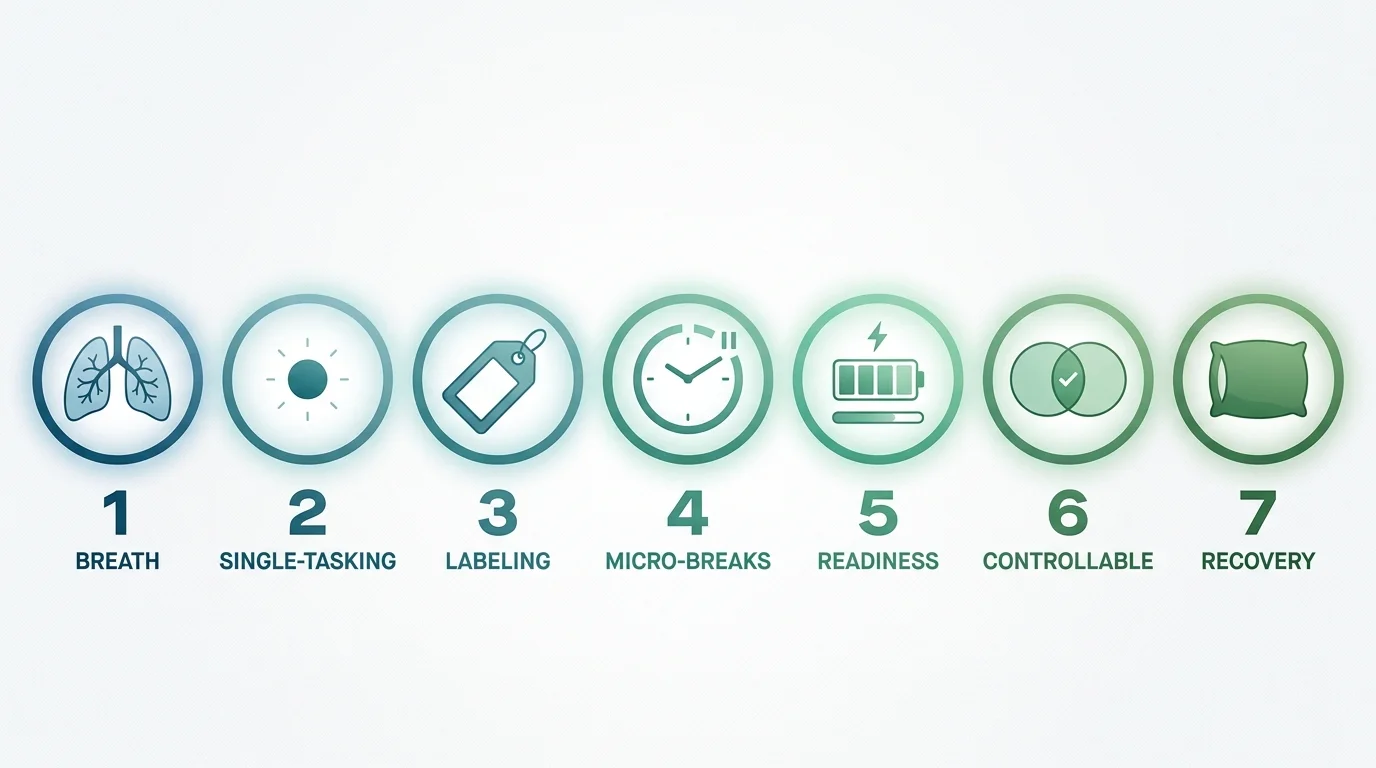
7 Daily Habits That Build Calmness Under Pressure

Habit 1: Activating the Parasympathetic Nervous System Through Breath
When pressure mounts, your breathing naturally becomes shallow and erratic, signaling to your brain that you are in danger. You can reverse this distress signal by taking conscious, deliberate control of your respiratory rate. Box breathing—inhaling for four seconds, holding for four, exhaling for four, and holding again—forces your heart rate to slow down. This technique acts as a mechanical override for your nervous system. By prioritizing deep, diaphragmatic breaths over shallow chest breathing, you physically prevent the panic response from escalating. Practicing this habit during low-stress moments ensures the technique is readily available when you truly need it.
Habit 2: Practicing Ruthless Single-Tasking During High-Stress Periods
When multiple crises occur simultaneously, the standard instinct is to scramble and try to fix everything at once. This chaotic multitasking rapidly drains your cognitive reserves and amplifies feelings of helplessness. Emotionally resilient people counter this overwhelm by practicing ruthless single-tasking. They identify the single most critical action required in the moment and block out all other demands until that specific task is resolved. By narrowing your focus to the immediate step in front of you, you regain a profound sense of agency and produce much higher-quality work under challenging conditions.
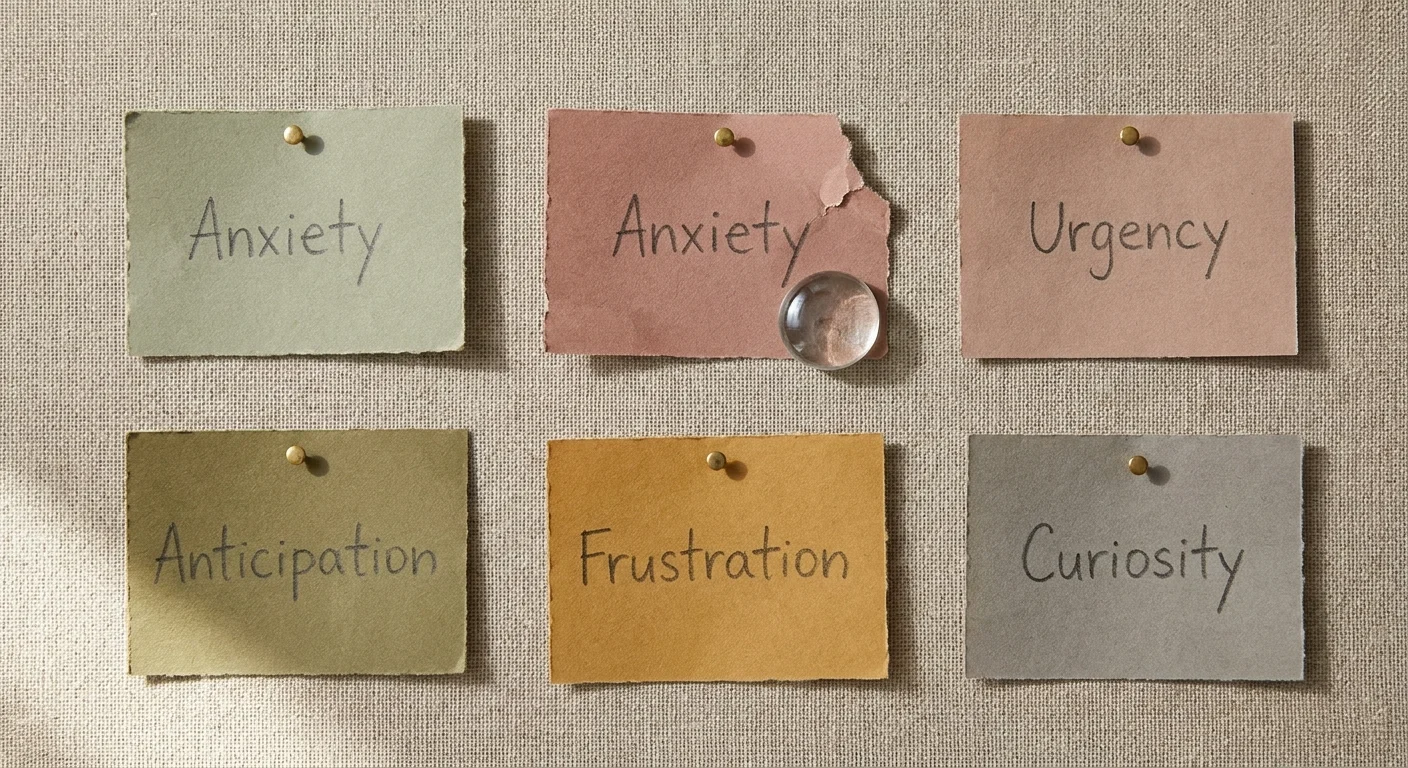
Habit 3: Utilizing Emotional Granularity and Labeling
Psychologists refer to the practice of precisely identifying your feelings as emotional granularity. Instead of telling yourself that you feel generally overwhelmed, you mentally label the specific emotion, noting that you feel embarrassed by a public mistake or frustrated by a severe lack of resources. This seemingly minor habit relies heavily on the neuroscience of cognitive labeling. Translating a raw, intense feeling into specific language activates your prefrontal cortex, which immediately dampens the intensity of the emotional surge and helps you regain intellectual control.

Habit 4: Engineering Micro-Breaks Between Major Transitions
High-pressure days often feel like a continuous marathon of demands with absolutely no finish line in sight. You can preserve your mental stamina by engineering strategic micro-breaks between major tasks and transitions. Before you close a stressful client call and immediately open an ongoing project file, you deliberately pause for sixty seconds. You look away from your screen, stretch your neck, and mentally close out the previous task. These tiny, intentional buffers prevent residual stress from bleeding into your next objective, ensuring you approach each new challenge with a clean, focused slate.
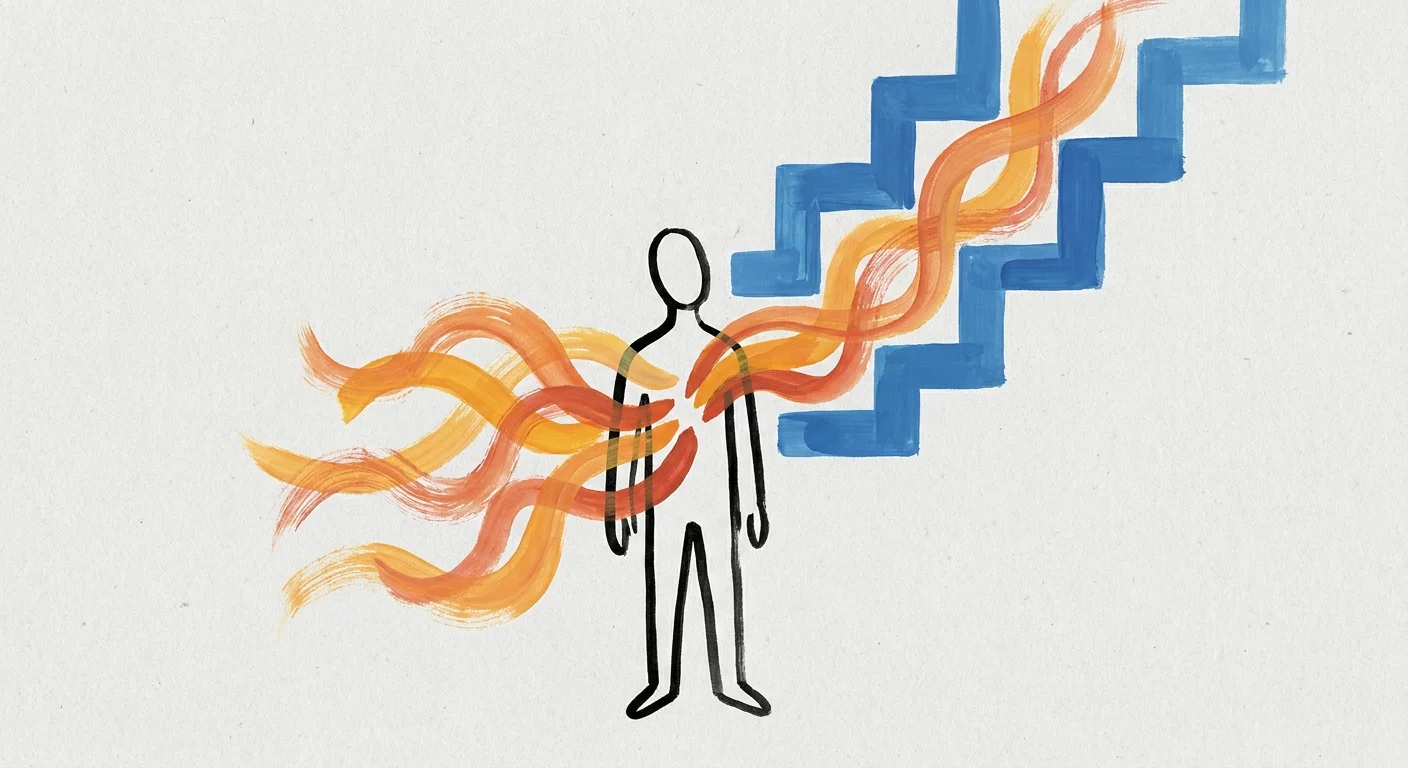
Habit 5: Reframing Anxiety as Biological Readiness
The physical symptoms of severe anxiety—a racing heart, sweaty palms, and heightened alertness—are biologically identical to the physical symptoms of excitement. You can leverage this biological reality by consciously reframing your stress as physiological readiness. When you feel the adrenaline spike before a major presentation or a difficult conversation, you actively remind yourself that your body is simply mobilizing the energy required to perform at a high level. This powerful cognitive shift turns a perceived threat into a highly manageable challenge.
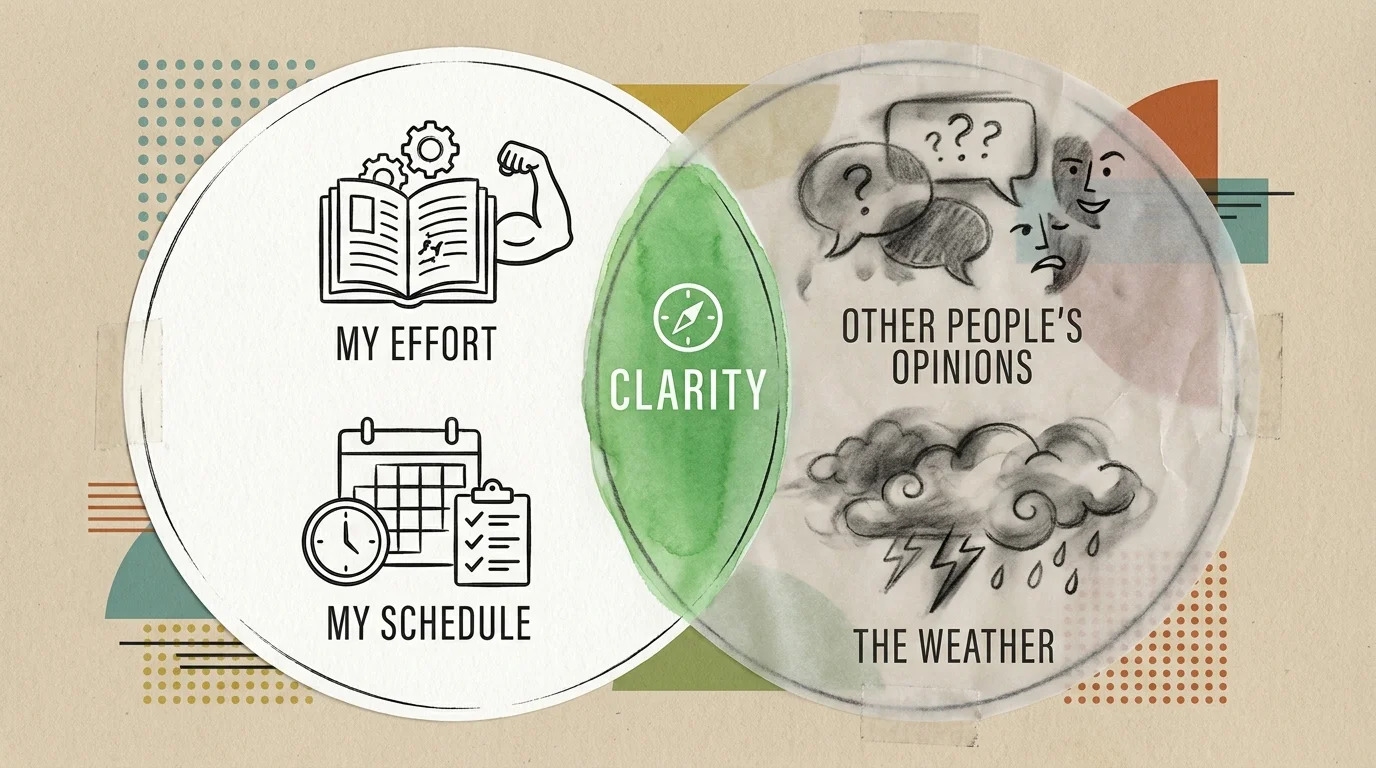
Habit 6: Mentally Separating the Controllable from the Uncontrollable
Worrying about outcomes you cannot influence is a massive, unnecessary drain on your psychological resources. When you find yourself spinning into a cycle of anxiety, you must aggressively separate the variables you control from the variables you do not. You cannot control a vendor’s sudden shipping delay, but you entirely control how transparently you communicate that delay to your waiting client. Focusing your energy exclusively on actionable, controllable items keeps you grounded in reality and prevents you from agonizing over hypothetical disasters.

Habit 7: Protecting Foundational Physical Recovery Routines
You simply cannot out-think a severely sleep-deprived brain or a biologically exhausted body. True calmness under pressure requires a highly stable physiological foundation, which is built through consistent physical recovery routines. Protecting your sleep schedule, staying adequately hydrated, and engaging in regular physical movement directly influence your baseline emotional resilience. When your basic physical needs are reliably met on a daily basis, you naturally possess a much higher threshold for tolerating severe stress and navigating sudden adversity.
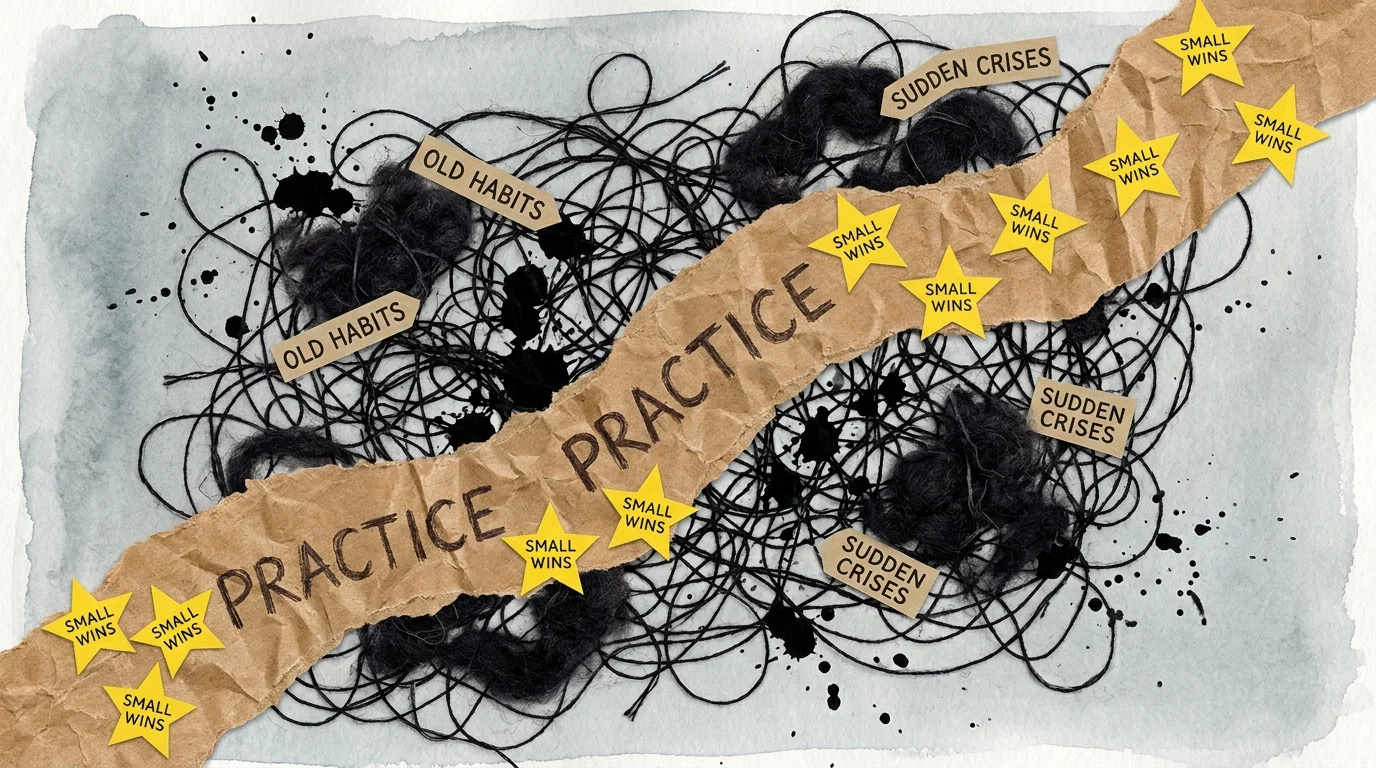
Overcoming Common Obstacles to Emotional Regulation
One of the most persistent barriers to cultivating these practices is the deeply ingrained belief that you simply do not have enough time. When you are frantically rushing to meet a hard deadline, taking a sixty-second pause feels highly counterproductive or even slightly irresponsible. You must overcome this illusion by recognizing that operating in a state of frantic panic actually destroys your overall efficiency. A brief, strategic pause saves you from making hasty errors that require hours to fix later in the day. If you struggle to find time for mindfulness, you can bypass this obstacle by anchoring your new practices to existing daily routines. You might practice deep breathing while waiting for your morning coffee to brew or use your daily commute to mentally separate controllable factors from uncontrollable ones.
Another incredibly common obstacle is deep-seated skepticism about whether these subtle psychological shifts can actually resolve real-world problems. It is remarkably easy to dismiss emotional labeling or cognitive reframing as simplistic advice that entirely ignores the complex severity of your stress. To successfully counter this skepticism, you must treat these habits as practical experiments rather than unquestionable dogmas. You test the techniques in low-stakes environments first. Try ruthlessly single-tasking during a routine administrative chore and strictly observe the positive impact on your focus and frustration levels. Once you experience tangible relief in minor situations, your brain will naturally build the confidence required to deploy these strategies during major, high-stakes crises.

The Long-Term Benefits of Practicing Emotional Resilience
The advantages of maintaining emotional equilibrium extend far beyond simply surviving a difficult Tuesday afternoon. When you consistently practice these techniques, you fundamentally elevate your long-term psychological resilience. You eventually stop viewing stressful events as existential threats and start treating them as highly manageable anomalies. This vital shift drastically reduces the wear and tear that chronic cortisol exposure inflicts on your cardiovascular system, immune response, and digestive tract. By regulating your immediate emotional responses to daily inconveniences, you are actively protecting your long-term physical health from the deeply corrosive effects of sustained stress.
Furthermore, staying reliably calm under pressure dramatically improves the overall quality of your personal and professional relationships. Panic and frustration are highly contagious emotions; when you hastily enter a room radiating intense anxiety, the people around you instinctively tense up and adopt a defensive posture. Conversely, grounded calmness acts as a powerful stabilizing anchor for everyone else in the room. When a team leader or a parent remains remarkably steady during a sudden crisis, it implicitly gives others permission to calm down and focus their energy on collaborative solutions. Your unyielding commitment to emotional regulation directly transforms your environment, establishing you as a trusted source of stability for your colleagues, friends, and family members. Ultimately, mastering your internal reactions empowers you to lead a more intentional, deeply fulfilling life.
Frequently Asked Questions About Managing Stress
How long does it take to see results from these habits?
Building emotional resilience is highly similar to building physical muscle; it requires consistent, deliberate repetition over time. You will likely notice an immediate reduction in acute physical stress the very first time you implement intentional breathing or a strategic pause. However, permanently rewiring your brain’s default response to high-pressure situations generally takes several weeks of dedicated practice. By consciously choosing to observe rather than react on a daily basis, you gradually train your nervous system to remain securely calm by default.
Can I practice these techniques even if I have severe anxiety?
Yes, these fundamental psychological practices are widely utilized as excellent complementary strategies for managing clinical anxiety. However, you should accurately view them as foundational self-care tools rather than total cures for medical conditions. Deep breathing, emotional labeling, and single-tasking provide crucial tactical relief during moments of acute distress. If your anxiety consistently interferes with your daily functioning or overall quality of life, you will benefit most from seamlessly combining these healthy daily habits with professional, evidence-based therapeutic support.
Do I need to practice all seven habits every day?
Attempting to overhaul your entire behavioral routine overnight is a guaranteed recipe for immediate burnout and intense frustration. You will achieve far better results by selecting one or two specific habits that deeply resonate with your current lifestyle and mastering those first. Once you comfortably integrate strategic pauses and deep breathing into your regular workday, you can gradually introduce more advanced techniques like emotional labeling or cognitive reframing. Consistency with a few core habits always yields better long-term resilience than sporadic, exhausting attempts to perfectly execute all seven practices simultaneously.
What should I do if my mind constantly wanders during the pause?
A wandering mind is a completely normal, healthy biological occurrence and is absolutely not a sign of failure. When you take a deliberate pause and notice your thoughts inevitably drifting back to a stressful deadline, simply acknowledge the sudden distraction without any harsh self-criticism. You gently, firmly redirect your focus back to the physical sensation of your breath or the immediate, objective facts of your environment. Every single time you successfully notice the distraction and bring your attention back to the present moment, you are actively strengthening your brain’s capacity for emotional discipline.
Moving Forward With Greater Composure
Mastering your internal state does not require a completely stress-free environment; it requires a deliberate, daily commitment to how you handle inevitable adversity. Every time you face a chaotic moment and consciously choose to pause, you actively rewrite your brain’s automatic programming. You successfully replace frantic reactivity with purposeful, grounded action. Start incredibly small by integrating a single deep breath before answering a demanding email or initiating a difficult conversation. You possess the inherent capacity to remain remarkably steady, no matter how intense the external pressure becomes. Your greatest tool in any crisis is simply the space between the trigger and your response.